Beginner


Ceramic pot Ø 7.2 × H 6.3 cm · plant 8 to 12 cm
Free delivery from €89
Build your own, layer by layer.
Six steps, in the order you build. Each department offers what goes with the step before.
 Complete refillEverything but the glass: drainage, charcoal, soil, mossFrom €18.90The whole shop
Six kits. Everything is in the box.
The glass, the live plants, the soil and the guide. Every kit comes in three versions.
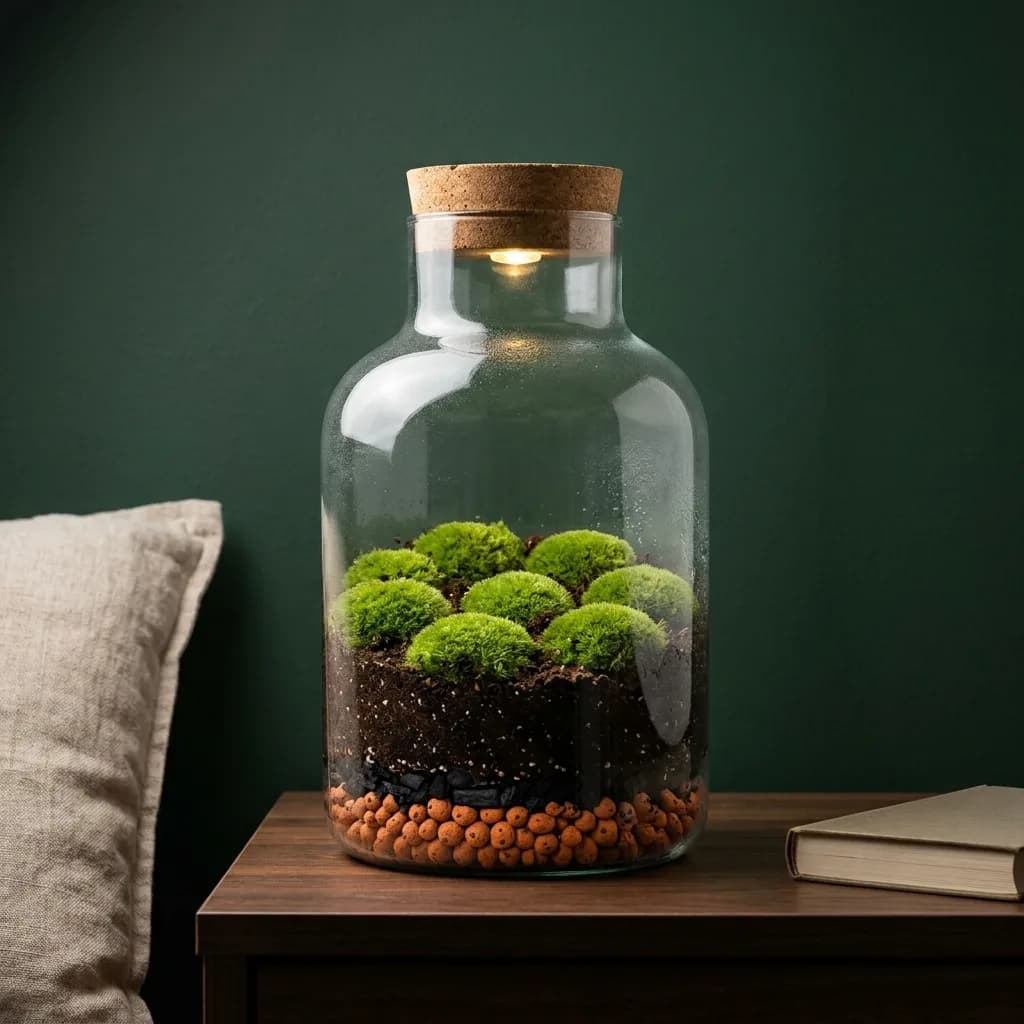 BeginnerMoss and lightClosed · M · LED4.8From €60.90
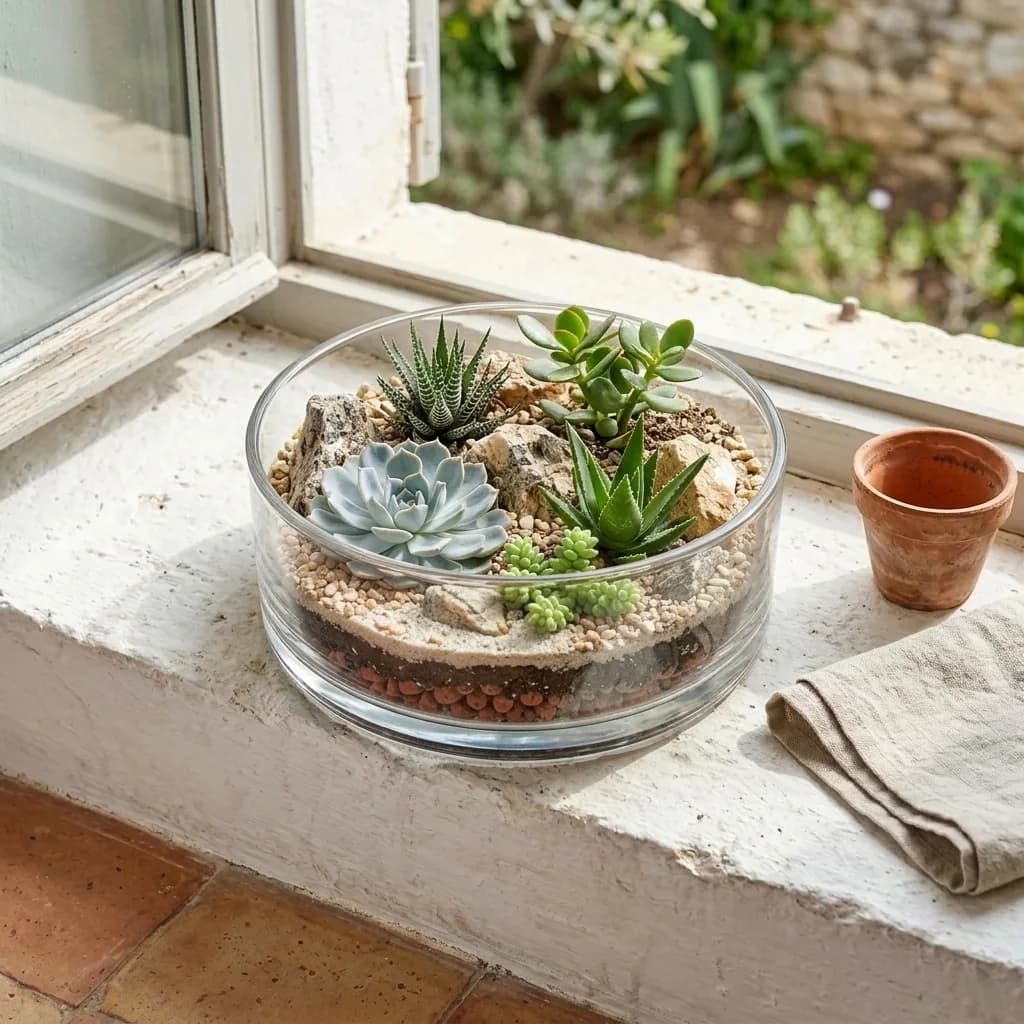 BeginnerOpen desertOpen · MNew kit, no reviews yetFrom €59.90
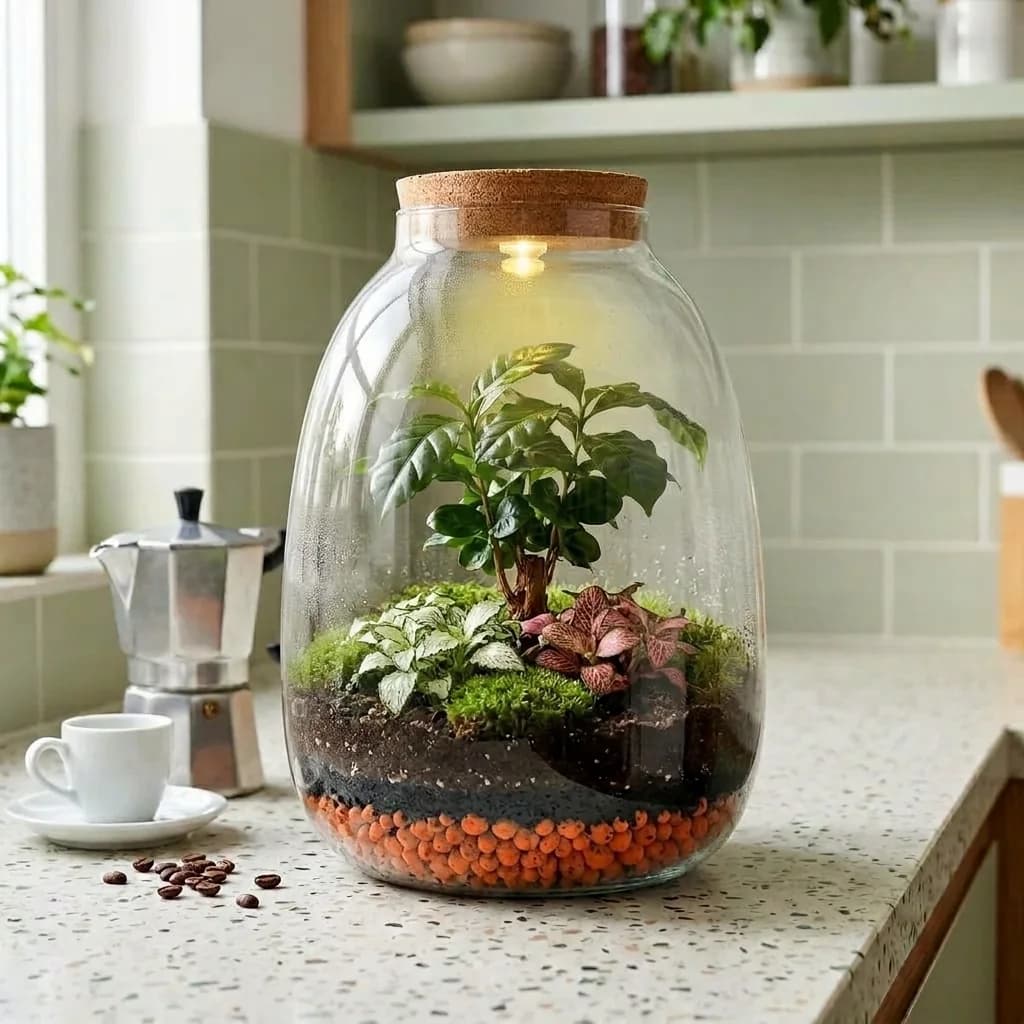 BeginnerTropical coffeeClosed · L · LED4.9From €63.90
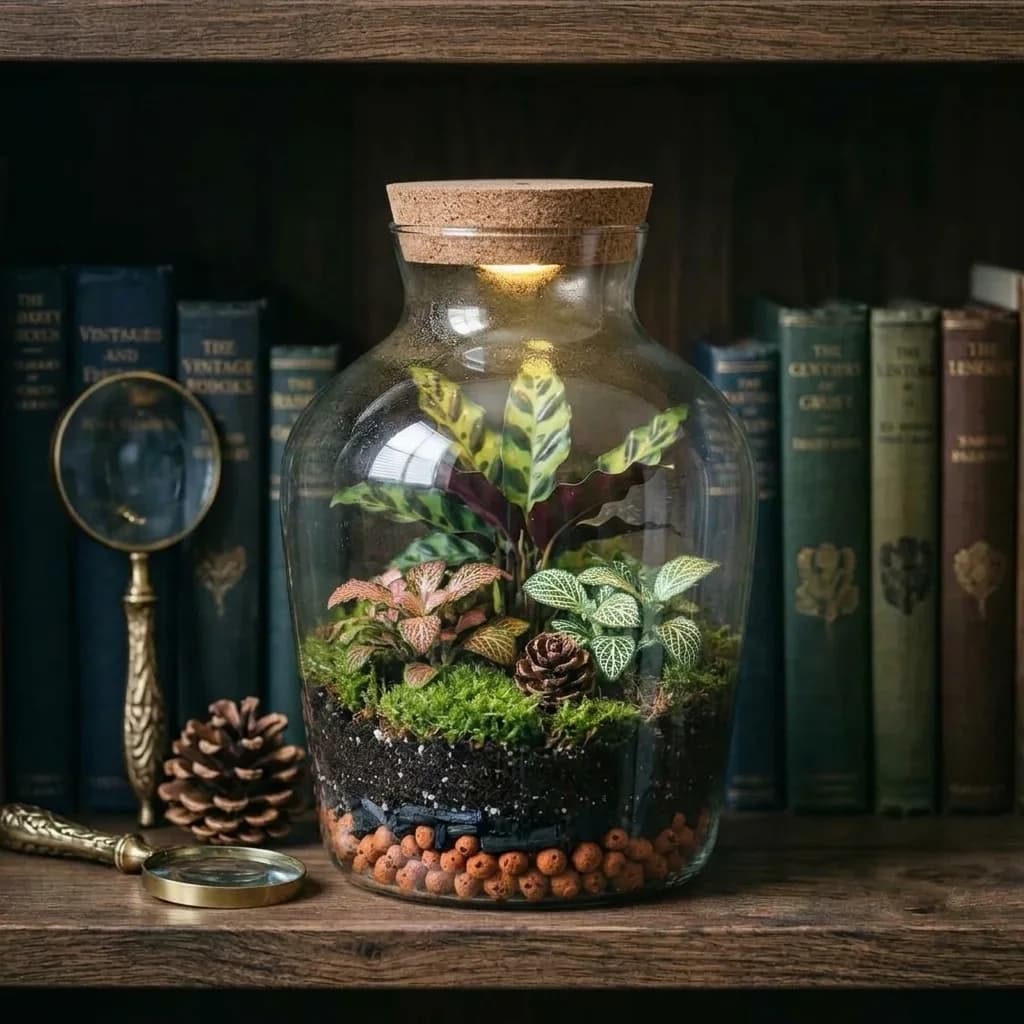 IntermediateForest floorClosed · M · LED4.6From €69.90
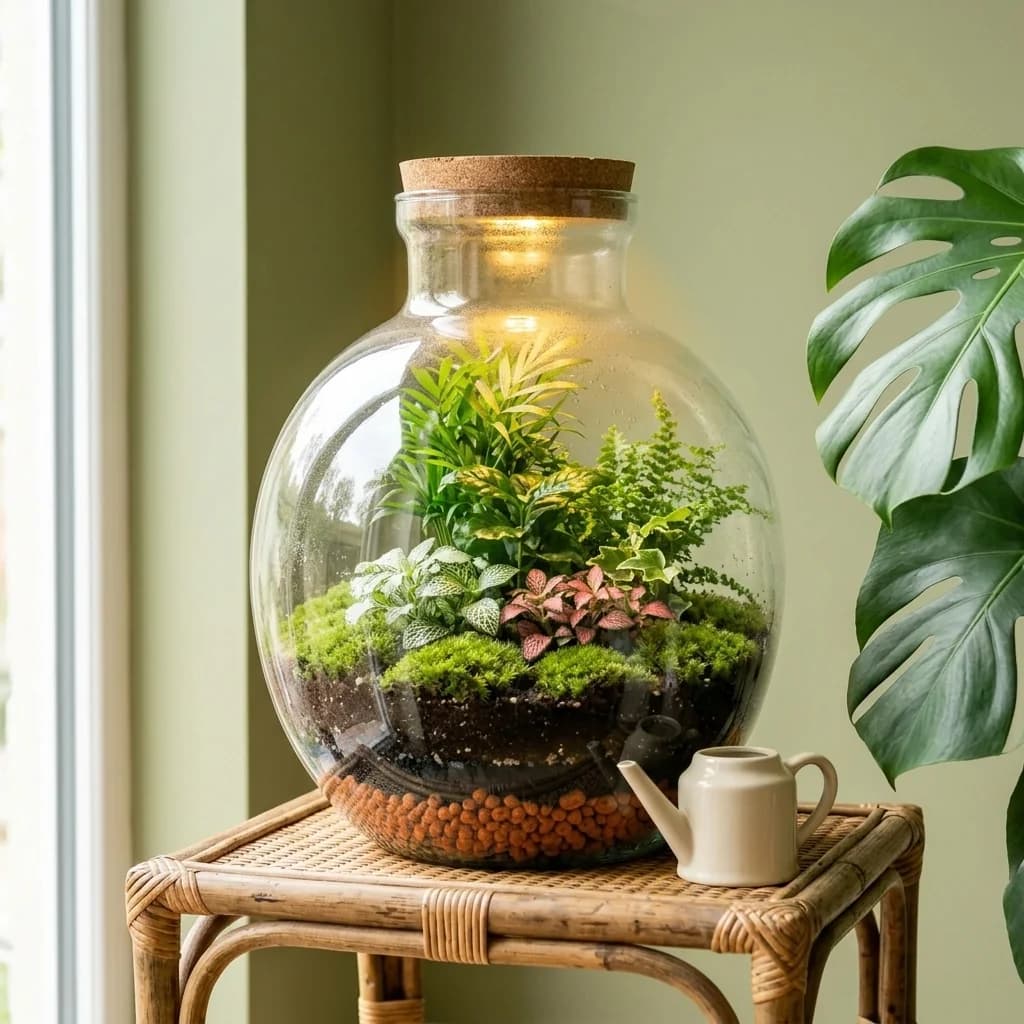 IntermediateJungleClosed · L4.9From €82.90
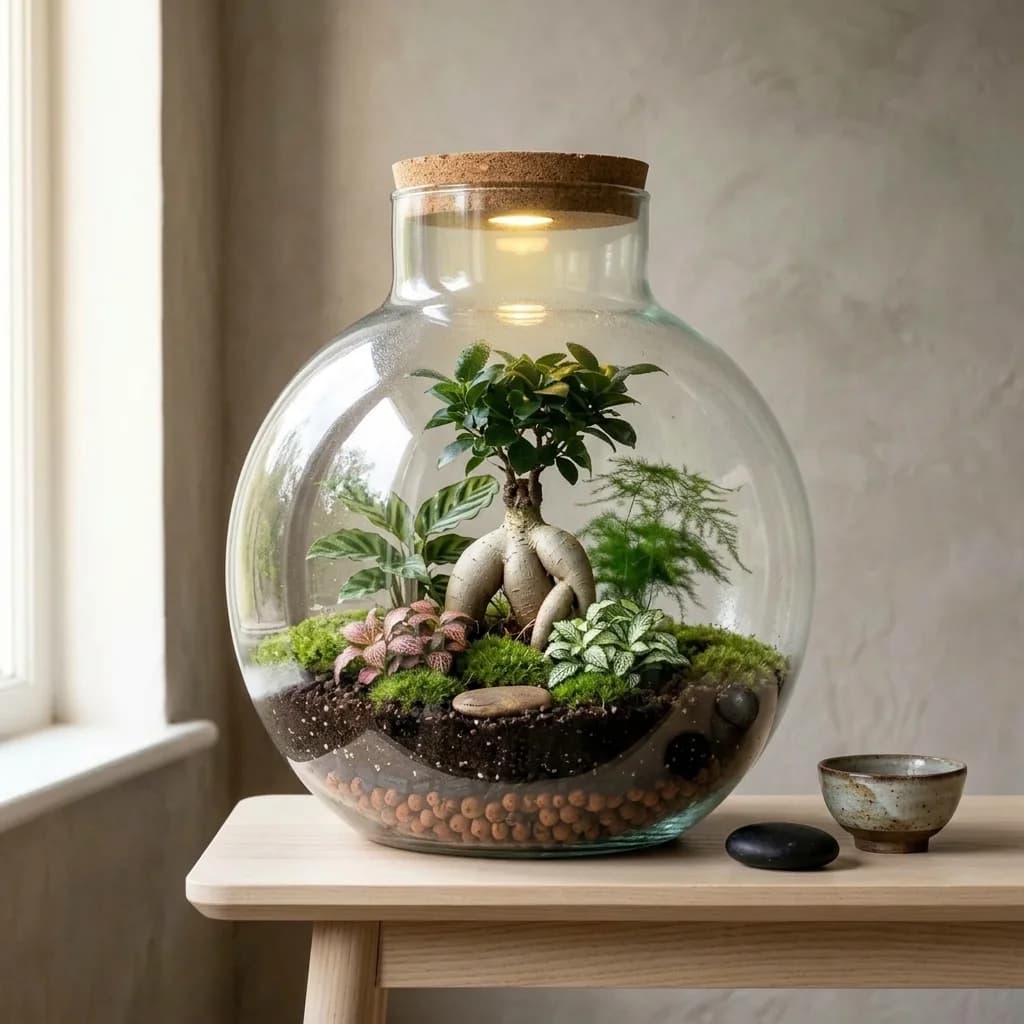 IntermediateZen bonsaiClosed · XL · LED4.8From €92.90
Give a small living world.
A gift that lasts for years, delivered with everything it needs and its assembly guide.
Guides and projects
Worlds
 TerraTerrariumOpen
 AquaAquaticComing soon
 FloraGrowOpen
 AéroWildComing soon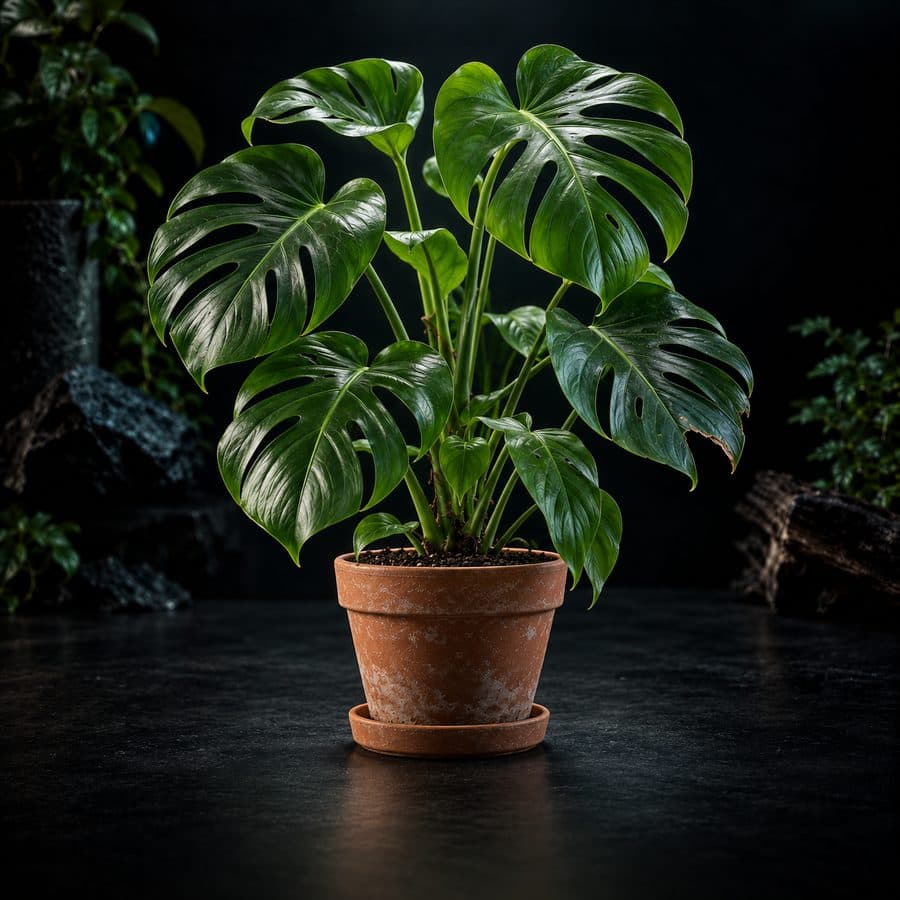
 HydroponicsComing soon
 MicrogreensComing soon
 Grow lightsComing soon
 SeedsComing soon
 Pots & compost
 Indoor plants
The basics, in order. The rest you learn by watching it live.
All getting-started guidesLeave your email: the newsletter announces each opening.
Growing at home needs neither a garden nor a balcony. A tray of microgreens is ready to harvest in one to two weeks on a corner of the worktop. A small hydroponic garden produces basil or chives all year round, with no soil and no daily watering. And a well-set grow light turns a dark shelf into a growing corner.
The most often underestimated factor is light. Before buying anything, look at where you'll be growing: a south-facing window is enough for hardy herbs in summer, but in winter or away from a window, a lamp becomes necessary. Our guide grow lights indoors gives the distance and duration benchmarks.
For a quick first harvest, follow the microgreens guide or our variety-by-variety guide, sunflower, radish, pea and rocket. For a steady supply of herbs, discover indoor hydroponics without the jargon.
FAQ
Microgreens (radish, mustard, pea), herbs such as basil, chives or parsley, and young salad leaves are the most accessible. They grow fast, stay compact and can be harvested as you go.
Not much, but regularly: topping up the reservoir when the level drops, renewing the nutrient solution every two to three weeks and cleaning the tank between crops. The pump and the timed lighting do the rest.
Not always. A very bright window is enough for microgreens and some herbs in spring and summer. In winter, or away from a window, a lamp stops plants from becoming leggy and pale.
Sprouted seeds are eaten whole, root and all, after a few days in a jar. Microgreens grow for longer on a growing medium, in the light, and are cut above the roots once the first leaves have formed.
Grown in warm, humid conditions and then eaten raw, sprouted seeds can encourage bacteria to develop. French health authorities advise vulnerable people not to eat them raw. Use seeds sold specifically for sprouting, rinse them, keep your equipment clean and give your crops plenty of airflow.
Seedlings that stretch, turn pale and lean over are lacking light. This is very common indoors, especially in winter. Place them as close as possible to a bright window or under a grow light 20 to 30 cm away, for 14 to 16 hours a day. Too high a temperature also makes it worse.
No. Microgreens grow very well on a hemp mat, coir mat or a suitable tray, since they're harvested before they've used up the seed's own reserves. A thin layer of compost also works, but it's messier and means cutting higher up.
Generally allow four to six weeks after sowing for the first pickings, depending on light and temperature. Then pinch the stems above a pair of leaves so they branch out. Well lit and regularly trimmed, a basil plant then keeps producing for several months.
Yes, regularly. Between changes, simply top up the level with water. Then renew the whole nutrient solution every two to three weeks, or as directed by the system's instructions, and rinse out the reservoir. This prevents salts from building up and limits algae and bad smells.
Microgreens are young plants harvested at the first-leaf stage, a few days after germination. Radish, pea, mustard or rocket grow on a hemp mat or a thin substrate, with no fertiliser, and are cut with scissors above the roots. Above all, they need consistency: measured watering, light after germination, and good airflow to avoid mould. The tutorial Getting microgreens right first time covers each step, and the Microgreens category brings together kits, trays and seeds.
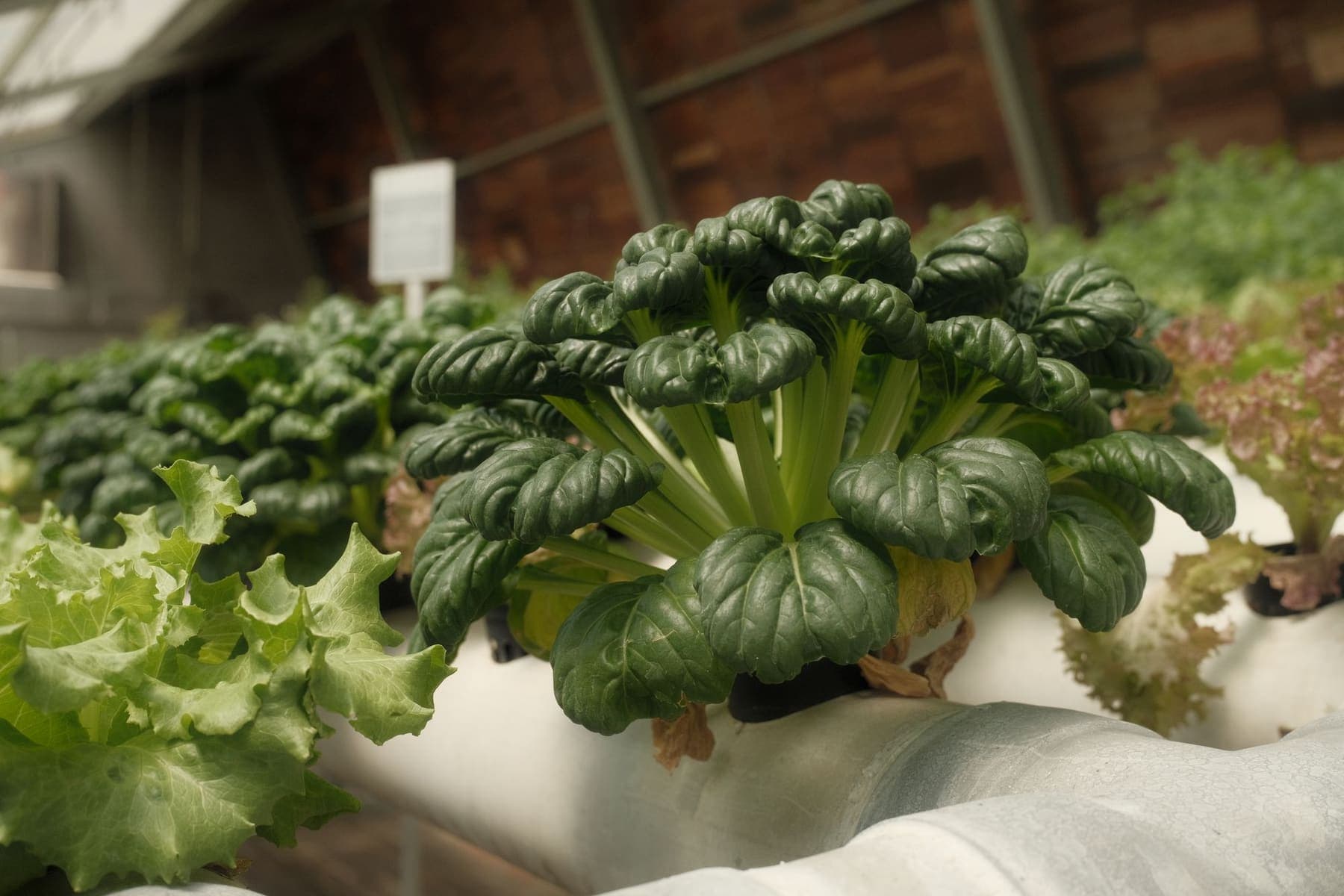
In hydroponics, roots sit in nutrient-enriched water instead of drawing from soil. Indoor systems combine a reservoir, a pump and lighting: you simply keep an eye on the water level and top up the nutrient solution regularly. Herbs such as basil, chives or parsley do well in it. To understand the principle, read Indoor hydroponics, no jargon, then how hydroponics works.
Behind a window, and even more so in winter, natural light is rarely enough for hungry plants like basil. A grow light fills that gap. Choose a white spectrum, more pleasant to live with than violet light, and a timer to guarantee a consistent lighting schedule. The Indoor growing category brings together lighting, shelving and sensors.
A tower or a multi-level shelf multiplies the growing surface without taking up more floor space. That's the principle behind vertical growing, suited to salad leaves, herbs and leafy greens: see easy plants for hydroponics.
If you prefer growing in soil, start with easy seeds and a fine seed compost. Pots with drainage holes prevent the excess water that rots the roots of young plants.
Build your own, layer by layer.
Six steps, in the order you build. Each department offers what goes with the step before.
Complete refillEverything but the glass: drainage, charcoal, soil, mossFrom €18.90The whole shopSix kits. Everything is in the box.
The glass, the live plants, the soil and the guide. Every kit comes in three versions.
BeginnerMoss and lightClosed · M · LED4.8From €60.90BeginnerOpen desertOpen · MNew kit, no reviews yetFrom €59.90BeginnerTropical coffeeClosed · L · LED4.9From €63.90IntermediateForest floorClosed · M · LED4.6From €69.90IntermediateJungleClosed · L4.9From €82.90IntermediateZen bonsaiClosed · XL · LED4.8From €92.90Give a small living world.
A gift that lasts for years, delivered with everything it needs and its assembly guide.
Guides and projects
Worlds
TerraTerrariumOpenAquaAquaticComing soonFloraGrowOpenAéroWildComing soonHydroponicsComing soonMicrogreensComing soonGrow lightsComing soonSeedsComing soonPots & compostIndoor plantsThe basics, in order. The rest you learn by watching it live.
All getting-started guidesLeave your email: the newsletter announces each opening.
Growing at home needs neither a garden nor a balcony. A tray of microgreens is ready to harvest in one to two weeks on a corner of the worktop. A small hydroponic garden produces basil or chives all year round, with no soil and no daily watering. And a well-set grow light turns a dark shelf into a growing corner.
The most often underestimated factor is light. Before buying anything, look at where you'll be growing: a south-facing window is enough for hardy herbs in summer, but in winter or away from a window, a lamp becomes necessary. Our guide grow lights indoors gives the distance and duration benchmarks.
For a quick first harvest, follow the microgreens guide or our variety-by-variety guide, sunflower, radish, pea and rocket. For a steady supply of herbs, discover indoor hydroponics without the jargon.
FAQ
Microgreens (radish, mustard, pea), herbs such as basil, chives or parsley, and young salad leaves are the most accessible. They grow fast, stay compact and can be harvested as you go.
Not much, but regularly: topping up the reservoir when the level drops, renewing the nutrient solution every two to three weeks and cleaning the tank between crops. The pump and the timed lighting do the rest.
Not always. A very bright window is enough for microgreens and some herbs in spring and summer. In winter, or away from a window, a lamp stops plants from becoming leggy and pale.
Sprouted seeds are eaten whole, root and all, after a few days in a jar. Microgreens grow for longer on a growing medium, in the light, and are cut above the roots once the first leaves have formed.
Grown in warm, humid conditions and then eaten raw, sprouted seeds can encourage bacteria to develop. French health authorities advise vulnerable people not to eat them raw. Use seeds sold specifically for sprouting, rinse them, keep your equipment clean and give your crops plenty of airflow.
Seedlings that stretch, turn pale and lean over are lacking light. This is very common indoors, especially in winter. Place them as close as possible to a bright window or under a grow light 20 to 30 cm away, for 14 to 16 hours a day. Too high a temperature also makes it worse.
No. Microgreens grow very well on a hemp mat, coir mat or a suitable tray, since they're harvested before they've used up the seed's own reserves. A thin layer of compost also works, but it's messier and means cutting higher up.
Generally allow four to six weeks after sowing for the first pickings, depending on light and temperature. Then pinch the stems above a pair of leaves so they branch out. Well lit and regularly trimmed, a basil plant then keeps producing for several months.
Yes, regularly. Between changes, simply top up the level with water. Then renew the whole nutrient solution every two to three weeks, or as directed by the system's instructions, and rinse out the reservoir. This prevents salts from building up and limits algae and bad smells.
Microgreens are young plants harvested at the first-leaf stage, a few days after germination. Radish, pea, mustard or rocket grow on a hemp mat or a thin substrate, with no fertiliser, and are cut with scissors above the roots. Above all, they need consistency: measured watering, light after germination, and good airflow to avoid mould. The tutorial Getting microgreens right first time covers each step, and the Microgreens category brings together kits, trays and seeds.
In hydroponics, roots sit in nutrient-enriched water instead of drawing from soil. Indoor systems combine a reservoir, a pump and lighting: you simply keep an eye on the water level and top up the nutrient solution regularly. Herbs such as basil, chives or parsley do well in it. To understand the principle, read Indoor hydroponics, no jargon, then how hydroponics works.
Behind a window, and even more so in winter, natural light is rarely enough for hungry plants like basil. A grow light fills that gap. Choose a white spectrum, more pleasant to live with than violet light, and a timer to guarantee a consistent lighting schedule. The Indoor growing category brings together lighting, shelving and sensors.
A tower or a multi-level shelf multiplies the growing surface without taking up more floor space. That's the principle behind vertical growing, suited to salad leaves, herbs and leafy greens: see easy plants for hydroponics.
If you prefer growing in soil, start with easy seeds and a fine seed compost. Pots with drainage holes prevent the excess water that rots the roots of young plants.