




BeginnerChoose
Pots & compost
Terracotta pots, composts, fertilisers and repotting tools for sowing, transplanting and growing in pots under good conditions.
Pots & compost: our advice
The basics of successful pot growing
A potted plant depends entirely on what it's given: a limited volume of soil, drainage it can't find on its own, and nutrients that get used up with every watering. The choice of pot, substrate and fertiliser therefore makes a big difference, especially indoors.
Terracotta is porous: it lets the roots breathe and dries faster than a plastic pot, which limits overwatering, the leading cause of failure. A pot should always have a drainage hole. For sowing, use a fine, light seed compost, low in nutrients, then repot into a richer compost once the seedlings have a few true leaves. Diluted liquid fertiliser is then applied during the growth period, never to a dry plant.
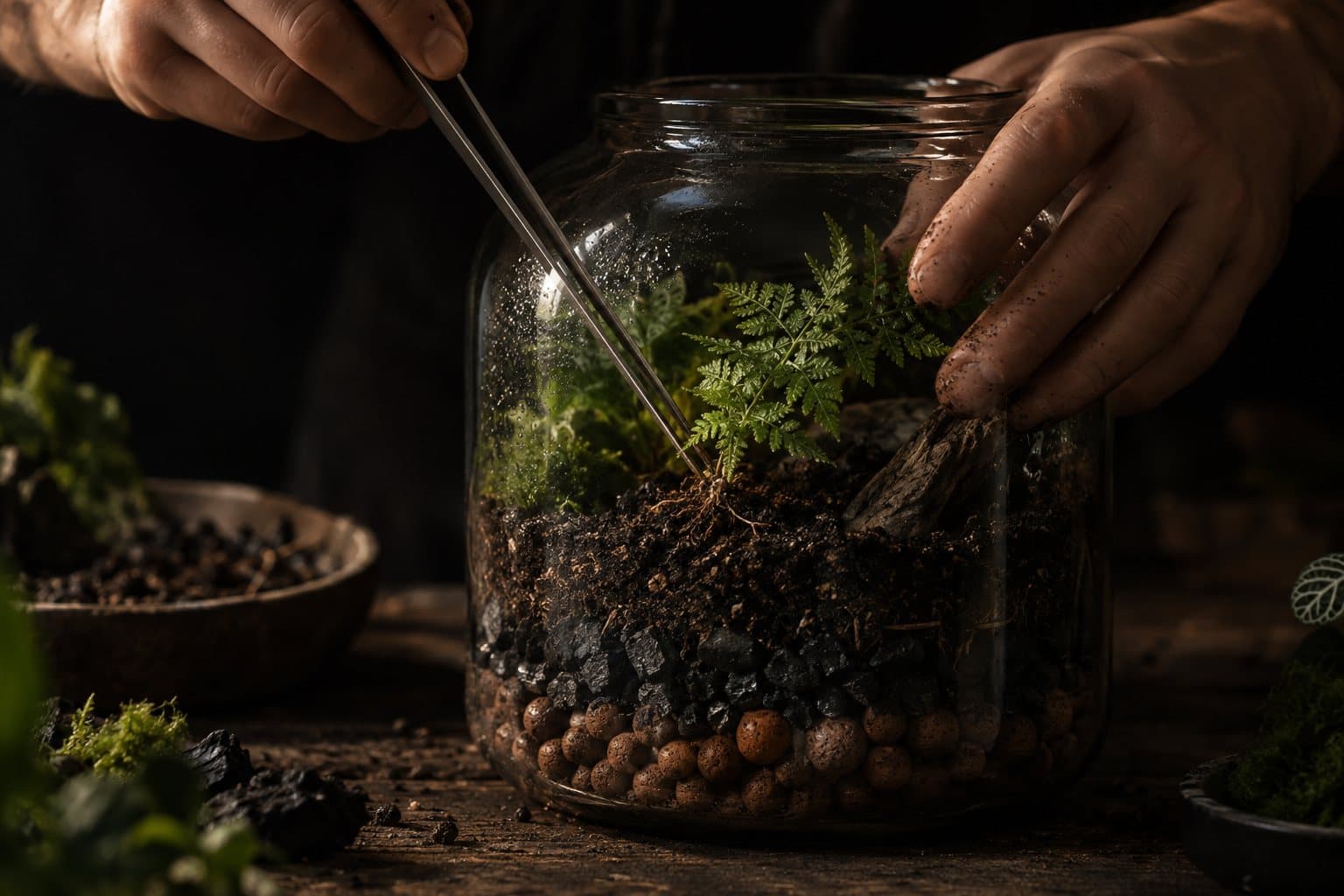
Suitable repotting tools prevent damage to the roots when transplanting. To find out when to move your seedlings into the light, see the grow light guide, and for soil-free growing, indoor hydroponics without the jargon.
The right pot
Drainage matters more than looks: a pot needs a hole in the base so excess water can drain away. Raw terracotta is porous; it lets the roots breathe and dries faster, which suits Mediterranean herbs and limits the risk of rot. In return, it needs slightly more frequent watering in summer. For sowing, small pots let you transplant each seedling without damaging its roots.
Choose a diameter that matches the plant: too large a pot keeps moisture around roots that haven't yet filled it. When repotting, simply move up to the next size.
The right compost
- Seed compost: fine, light and low in nutrients, it helps germination and the development of the first roots.
- Potting compost: more structured and nutrient-rich, for established plants.
- Drainage elements: sand, lava rock or clay pebbles are added to the mix for plants that dislike damp.
Moisten the compost before sowing rather than after, so as not to disturb the seeds.
Fertilising in moderation
A young seedling doesn't need fertiliser: the compost is enough until true leaves appear. For plants established in pots, an organic liquid fertiliser diluted in the watering water, during the growth period, offsets the substrate's depletion. Always follow the stated dose.
Repotting tools
A narrow trowel, a small hand fork and a dibber cover most of what you'll need. Clean them after use to avoid spreading disease from one pot to another.
To choose what to sow, see the Seeds category.
FAQ
Questions about pots & compost
Should I put clay pebbles in the bottom of the pot?
A drainage layer doesn't replace a drainage hole. The key is that the pot has a hole and no water sits in the saucer; mixing a drainage element into the compost is often more effective than a simple layer at the bottom.
Why is my terracotta pot turning white?
This white film comes from limescale and mineral salts in the water migrating through the terracotta. It's harmless to the plant and fades with a brush and a little diluted white vinegar.

