

Indoor hydroponics without the jargon: the beginner's guide
Principle, common systems, pH, EC, light and upkeep: everything you need to know to grow herbs and salad leaves without soil, at home, without getting lost in technical vocabulary.
In this guide
Hydroponics means growing plants without soil, with the roots fed by water enriched with nutrients. Indoors, it's a simple way to get herbs and salad leaves all year round, provided you master three parameters: light, the nutrient solution (pH and concentration), and how often you renew it. This guide explains the principle, the common systems and the maintenance steps, without unnecessary jargon.
The principle: less soil, not less nature
In a pot, soil plays two roles: it holds the plant up and stores the water and minerals that the roots absorb. In hydroponics, a growing medium (coco coir, clay pebbles, rockwool, perlite) provides the support, and the water delivers dissolved nutrients directly. Roots also need oxygen, so every system aims to combine water, nutrients and air.
The plant is still a plant, needing light, a moderate temperature and regular care. The advantages are concrete: no compost to handle in the kitchen, watering managed by the reservoir, and often fast growth for herbs. To understand what happens at root level in more detail, read how hydroponics works.
The main systems, explained simply
Deep water culture (DWC), or the floating raft
The roots sit permanently in a reservoir of nutrient water, oxygenated by an air pump and an air stone, just like in aquariums. In the "raft" version, the plants sit on a floating panel. This is the simplest system to understand and maintain, well suited to lettuce and herbs. It has two requirements: aerating the water and keeping the roots in the dark, to avoid algae.
The wick system
A passive system, with no pump: a wick draws the solution up from the reservoir to the growing medium by capillary action. It's the cheapest option for a small pot of herbs, but the medium stays very wet.
Drip feed and ebb and flow
A pump raises the solution up to the plants, then the excess drains back down to the reservoir. You'll find this principle in many compact indoor gardens and in vertical towers, where the water trickles from level to level.
Nutrient film technique (NFT)
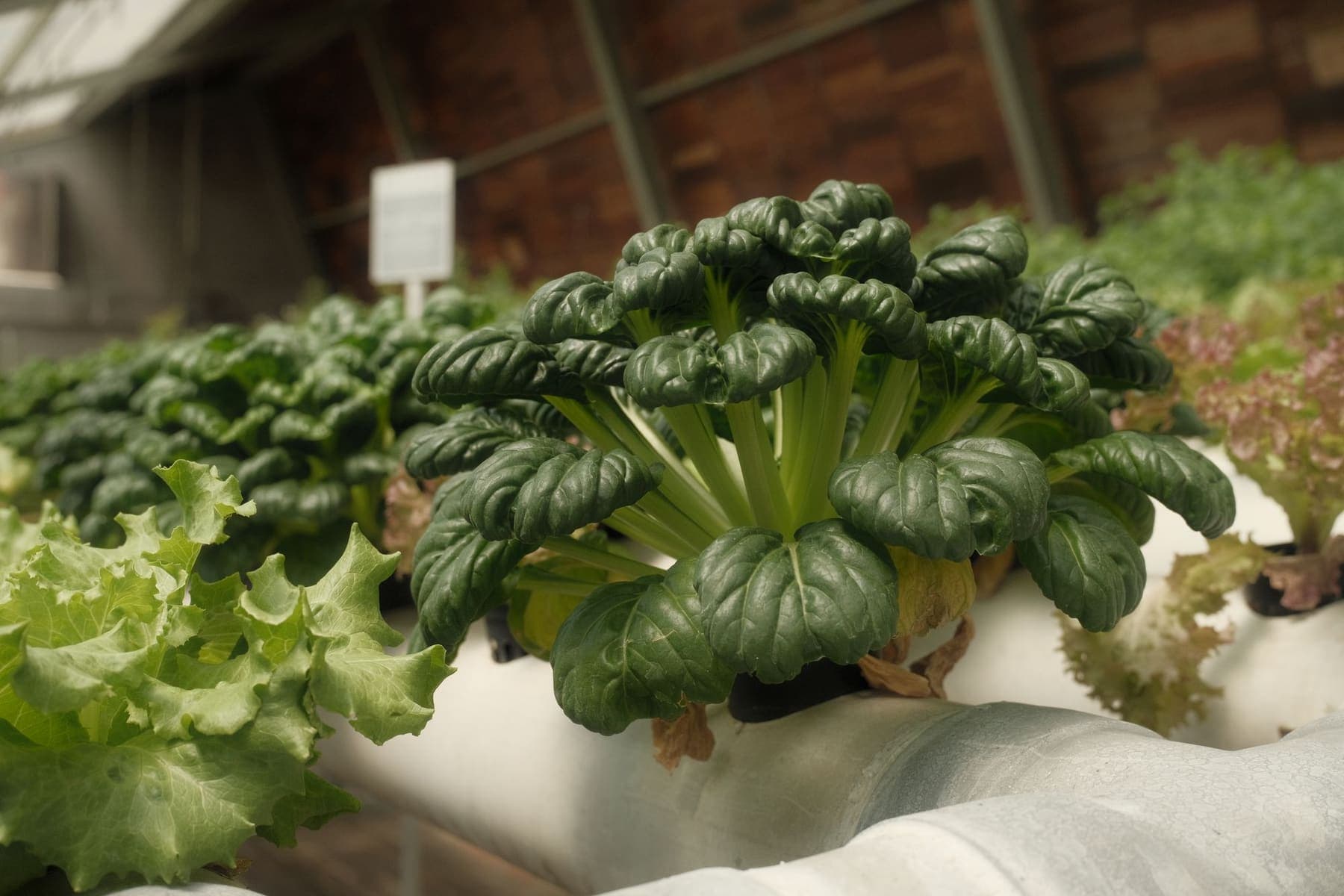
The plants sit in a row in gently sloping channels along which a thin film of water constantly flows. Effective for salad leaves, this system is unforgiving: with no medium to retain moisture, even a short pump interruption dries the roots out. It suits a second project better.
The nutrient solution: pH and EC without the stress
Water alone isn't enough: you need to add a fertiliser formulated for hydroponics. It's often sold in two parts, A and B, because certain concentrated elements, such as calcium and sulphates or phosphates, form a deposit if mixed undiluted. Pour them into the reservoir water one after the other, following the dose on the label.
Two measurements let you control the solution:
- pH indicates acidity. The extension services of the universities of Florida and New Hampshire place a suitable home solution between 5.5 and 6.5, or even up to 7. Outside this range, certain elements, iron in particular, become less available, and yellowing can appear even in a rich solution. A pH tester and corrector are all you need to adjust it.
- EC (electrical conductivity, in mS/cm) reflects the amount of dissolved mineral salts, and so the nutrient concentration. The values to aim for depend on the plant and the fertiliser: follow the manufacturer's recommendations, and keep young plants at the lower end of the range given.
Light, factor number one indoors
Behind a window, light drops off very quickly as you move away from the glass, especially in winter. Most indoor hydroponic gardens therefore include an LED lamp. University guides recommend around 14 to 16 hours of light a day for herbs and salad leaves, with a genuine period of darkness. A timer makes the routine automatic. Long, spaced-out stems signal a lack of light; leaves that fade at the top signal a lamp that's too close. To choose your lamp and set it at the right distance, read our dedicated guide.
Maintenance: a short routine
- Every week: check the level and top up as directed on your fertiliser's label, check the pump, pinch out the herbs to encourage branching.
- Every 2 to 3 weeks for a small system, according to the University of Illinois extension service: empty the reservoir and replace the solution entirely. Plants don't absorb every element at the same rate; over time, the solution becomes unbalanced.
- Between two crops: clean the reservoir, tubing and baskets with hot water, then rinse thoroughly.
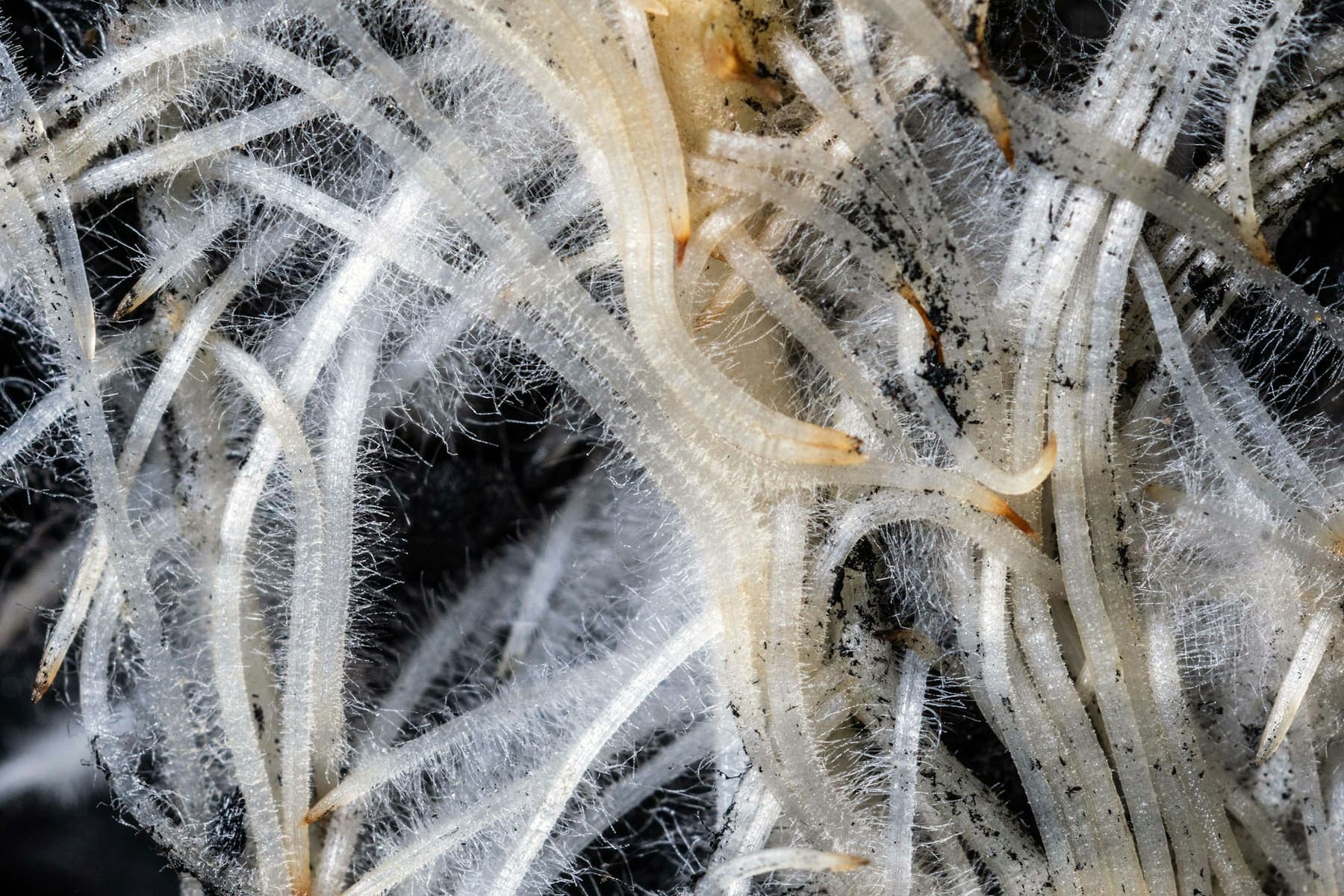
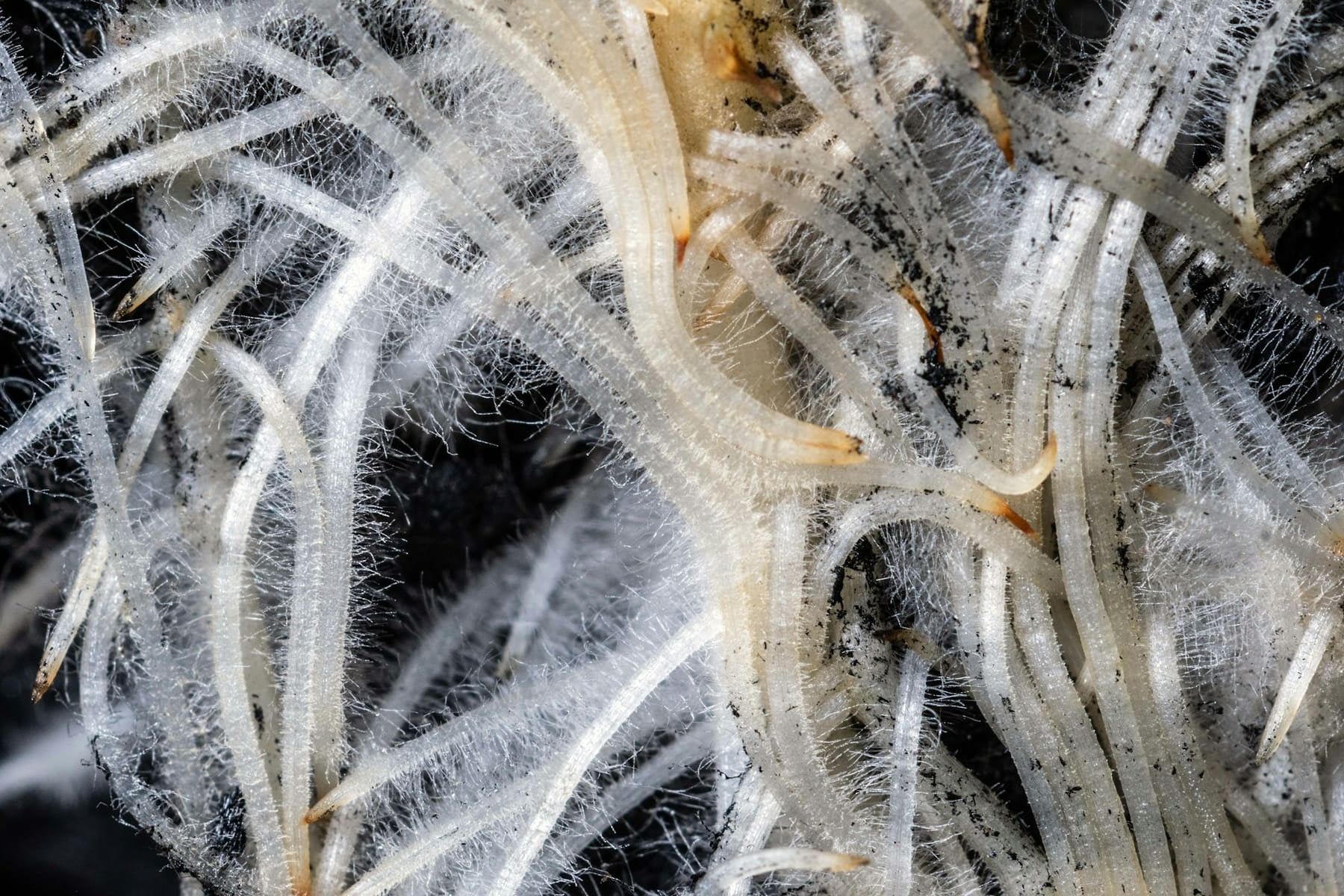
Avoid letting the reservoir water heat up, for example near a radiator or in the sun: warm water holds less oxygen and encourages root rot. Healthy roots are white or cream; brown, slimy and foul-smelling roots are short of oxygen.
Common mistakes
- A reservoir exposed to light: algae develop there, use up oxygen and clog the pump. Use an opaque reservoir and cover any empty openings.
- Overdosing nutrients: an overly concentrated solution burns the leaf tips. More isn't better.
- Topping up indefinitely without ever emptying: the solution eventually becomes unbalanced.
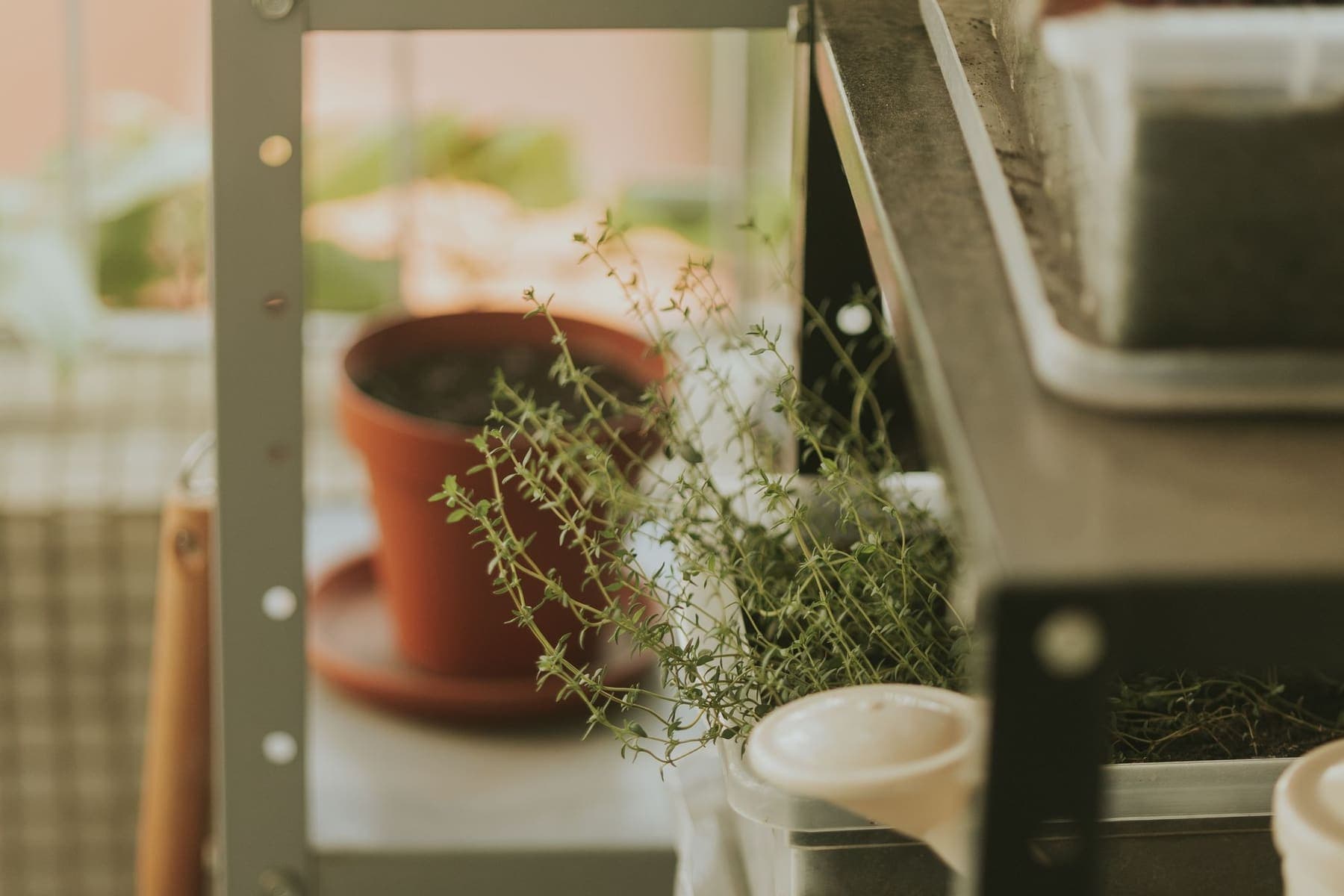
- Choosing plants that are too demanding: tomatoes and peppers need a lot of light and space. Start with basil, chives, mint or lettuce.
Where to start
A small raft or wick system, a few seedling plugs and one easy herb are enough to learn the ropes. Sow directly into the plugs, then move them into the baskets once the roots poke through.
Basil is the ideal plant for a first attempt: it grows fast and can be harvested week after week. Our guide to growing basil in hydroponics covers every step.
Once you've got the routine down, a vertical tower lets you scale up: see easy hydroponic plants to choose what to grow in it. And if you want an even quicker crop, microgreens are ready to harvest in one to two weeks.
Seedling plugs are featured in our Hydroponics section, and seeds in our Seeds section.
Sources
Frequently asked questions
What pH should I aim for in hydroponics?
A solution between 5.5 and 6.5 suits most herbs and salad leaves grown at home. Outside this range, certain nutrients, such as iron, become less available to the roots.
How often should I change the nutrient solution?
For a small indoor system, replace the solution entirely every 2 to 3 weeks, using the opportunity to rinse out the reservoir. Between changes, top up the level as directed on the fertiliser's label.
Why does algae appear in my reservoir?
Because light is reaching the water. Use an opaque reservoir, cover any unused openings and clean the tank when you renew the solution.