

Seed compost or multi-purpose compost: the difference that counts
One is fine, light and deliberately poor, the other coarse and already loaded with fertiliser. What each does to seeds, and when multi-purpose compost can still do the job.
In this guide
For sowing, seed compost wins hands down: it is fine, light and deliberately poor, which is exactly what a seed needs to germinate without rotting. Multi-purpose compost, coarser and already loaded with fertiliser, gives uneven germination and tires the seedlings out. It can still get you out of trouble, on one condition: that it is sieved and peat-free.
Two products, two jobs
Compost is not soil. It is a manufactured mix whose make-up answers a precise use, and the two uses in question have almost nothing in common.
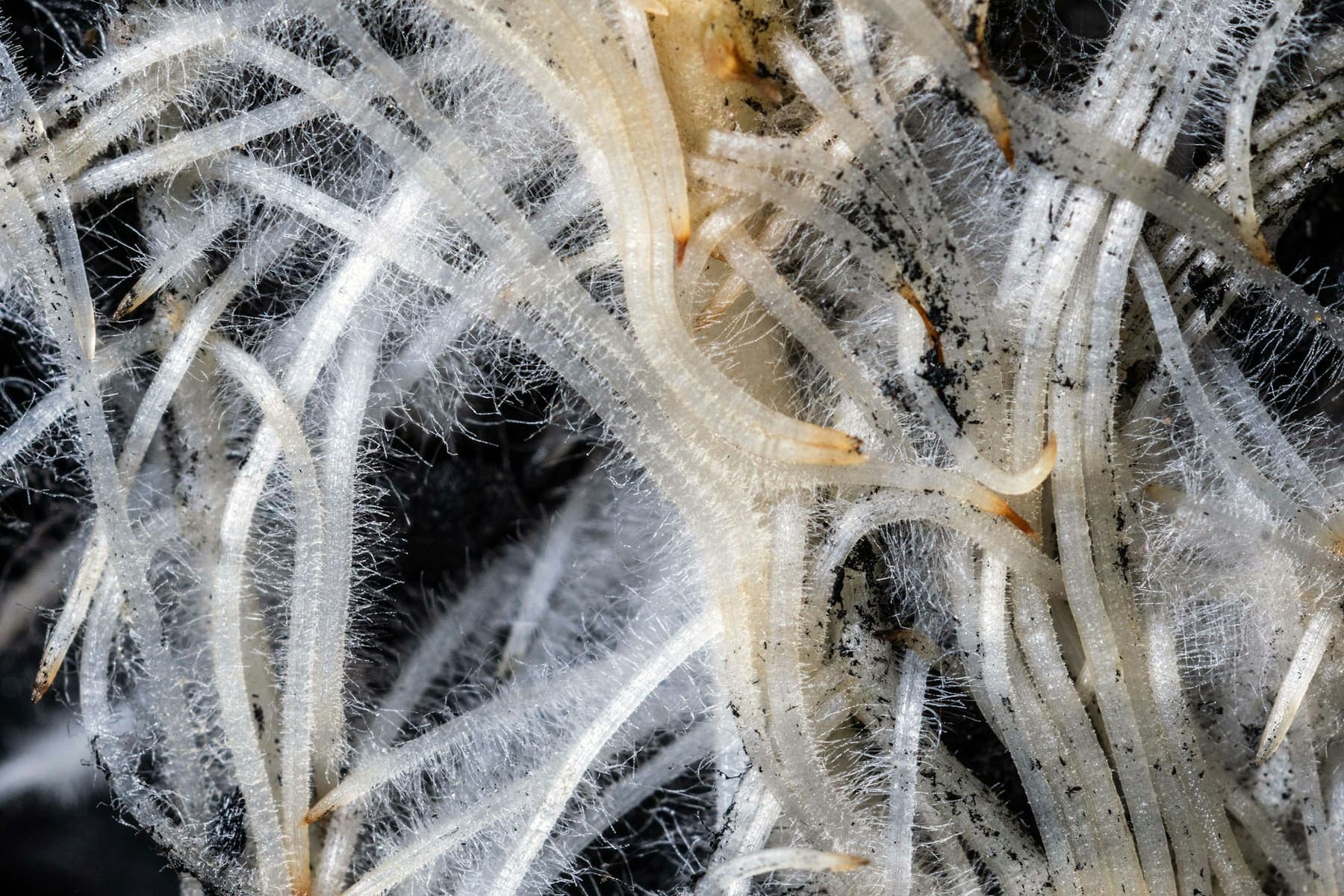
Seed compost accompanies a seed for a few weeks. The seed carries its own reserves: it needs neither fertiliser nor richness, only a fine, airy, evenly moist medium that lets a fragile radicle through. The medium has to be light enough for a young root to cross, fine enough for a small seed to touch material on every side, and free-draining enough that water does not sit around the base of the stem.
Multi-purpose compost feeds an established plant for several months. It contains a base fertiliser, holds more water, and its coarser structure keeps it from compacting in a large pot as the waterings go by. Those qualities turn into faults as soon as you sow in it.
The comparison at a glance
| Criterion | Seed compost | Multi-purpose compost |
|---|---|---|
| Particle size | Sieved, 0 to 5 mm | Coarse, visible fibres and chips of wood |
| Richness | Low, enough for a few weeks | Base fertiliser for several months |
| Usual pH | Around 6 to 6.5 | Generally between 5.5 and 6.5 depending on the brand |
| Behaviour with water | Even moisture, drains quickly | Strong retention, slow surface drying |
| Intended use | Sowing, cuttings, pricking out | Potting on, troughs, established plants |
| Main risk | Runs out if pricking out is delayed | Uneven germination, damping off, scorched roots |
The most decisive line is the first. A thyme or basil seed measures one to two millimetres: set next to a two-centimetre piece of bark, it ends up in an air pocket, dries out within hours and never comes up.
The second line on its own explains most of the germination failures beginners report. Multi-purpose compost carries a base fertiliser calculated for an adult plant feeding over several months; that reserve is far beyond anything a seedling can take up in three weeks. The surplus stays dissolved in the water in the medium, where it hinders the roots instead of feeding them. So the two products are not told apart by their quality, but by the length of time they were formulated for: a few weeks on one side, a whole season on the other.
Why compost that is too rich hinders a sowing
The idea that a more nourishing medium gives sturdier seedlings is wrong, and three mechanisms explain why.
- Mineral salts damage new roots. A radicle emerging from the seed is made of very young tissue. A high concentration of fertiliser around it slows its water uptake instead of helping it, which shows as brown tips and growth coming to a halt.
- The seed needs nothing while it germinates. Its reserves last until the first true leaves appear. Fertiliser present before that stage serves nobody, except green algae and surface moulds.
- A medium that stays waterlogged encourages damping off. This disease makes young seedlings collapse at the base of the stem, overnight, with nothing to be done about it. It thrives in coarse compost that holds water deep down, and in still air.
On top of that comes a very visible nuisance: a rich medium kept constantly moist attracts fungus gnats, those small black flies that run across the surface. Our guide on small flies in compost explains how to identify them and how to get rid of them.
Sowing in multi-purpose compost: on what conditions
Sometimes there is nothing else to hand. It can be done, by taking three precautions.
- Sieve it. Put the compost through a wide-mesh colander or a garden sieve, and use only the fine fraction. The fibres and pieces of wood caught in the sieve will do for the bottom of potting-on pots.
- Pick a peat-free product. This point is not only environmental: composts based on coir, green compost and perlite take up water again well after drying out, whereas dried-out peat turns water-repellent and lets water run off the surface.
- Open the mix up. One part perlite or coarse sand to three parts sieved compost restores the drainage and offsets water retention that is too strong.
This remains a stopgap. It suits large seeds well, which are not fussy about texture, and much less so fine seed such as thyme, chives or annual flowers.
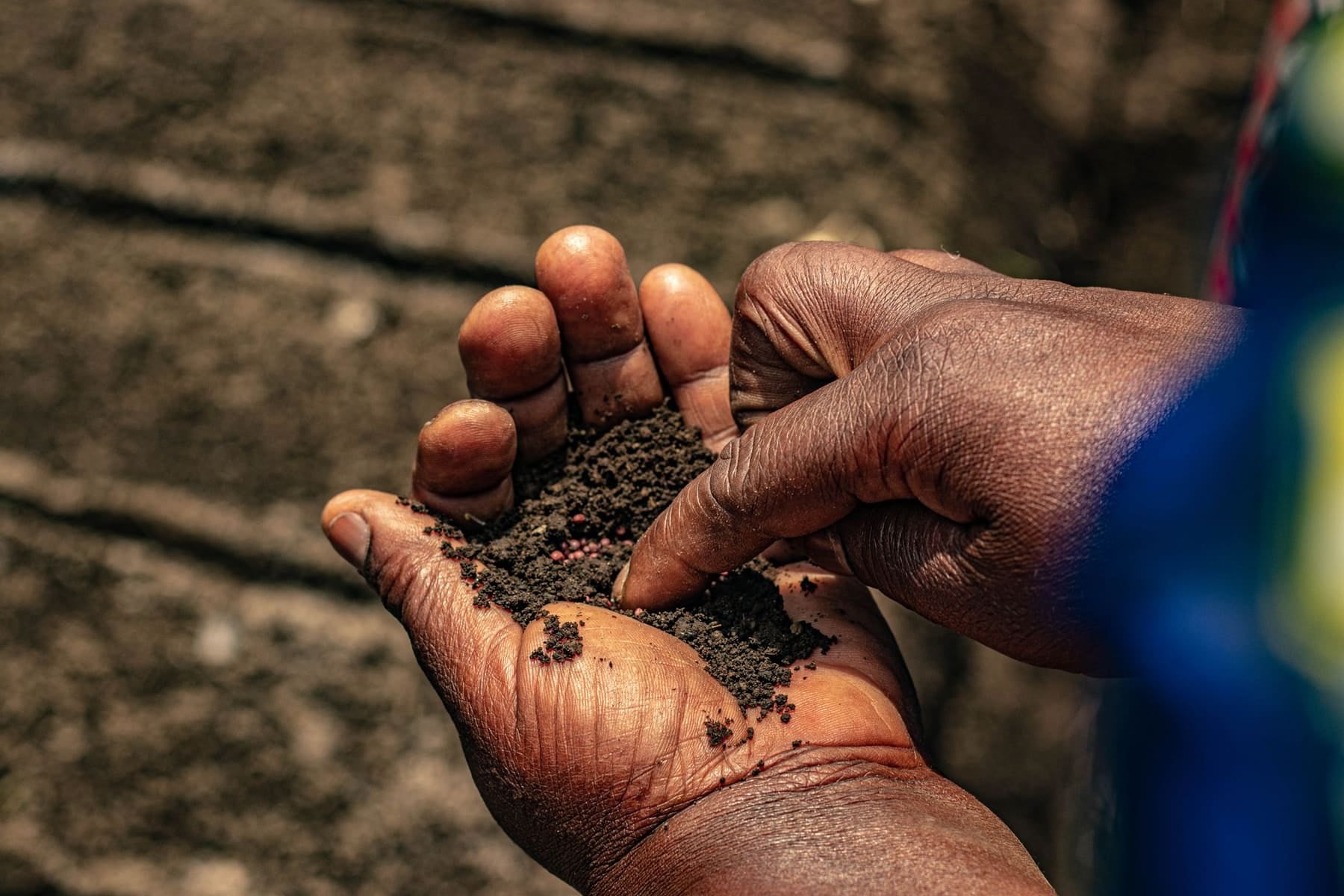
The reverse is worth saying too: compost sold for sowing is not necessarily fine. The wording sometimes appears on bags whose contents stay coarse, and the only check worth anything is done by hand, by taking a handful as you fill. Good seed compost crumbles between the fingers, holds no long fibres or chips of wood, and does not form a compact ball when squeezed damp. If it sticks, it needs opening up; if it stays in lumps, it needs sieving, whatever the packaging says.
From sowing to final potting: which mix at which stage
The medium follows the plant, and changes three times.
At sowing, pure seed compost, moistened before filling. It should feel cool to the touch without water running out when squeezed. Pots are filled to just below the rim, corners included, then the seed is covered with a fine sieved layer, generally no thicker than the seed itself. A container 6 cm across, about 90 mL, is amply enough up to the four-true-leaf stage.
At pricking out, half seed compost, half a richer compost. The young plant is starting to feed, but still needs an airy medium. This is also when it moves into an individual container, at the two-true-leaf stage; the steps are set out in our indoor sowing calendar.
At final potting, a potting or multi-purpose compost, opened up if the plant calls for it. From then on it is liquid feed that takes over, not the medium: a first feed four to six weeks after potting, then regular feeds through the growing season.
Peat, coir, perlite: what is in the bag
The make-up is printed on the bag, and three ingredients come up again and again.
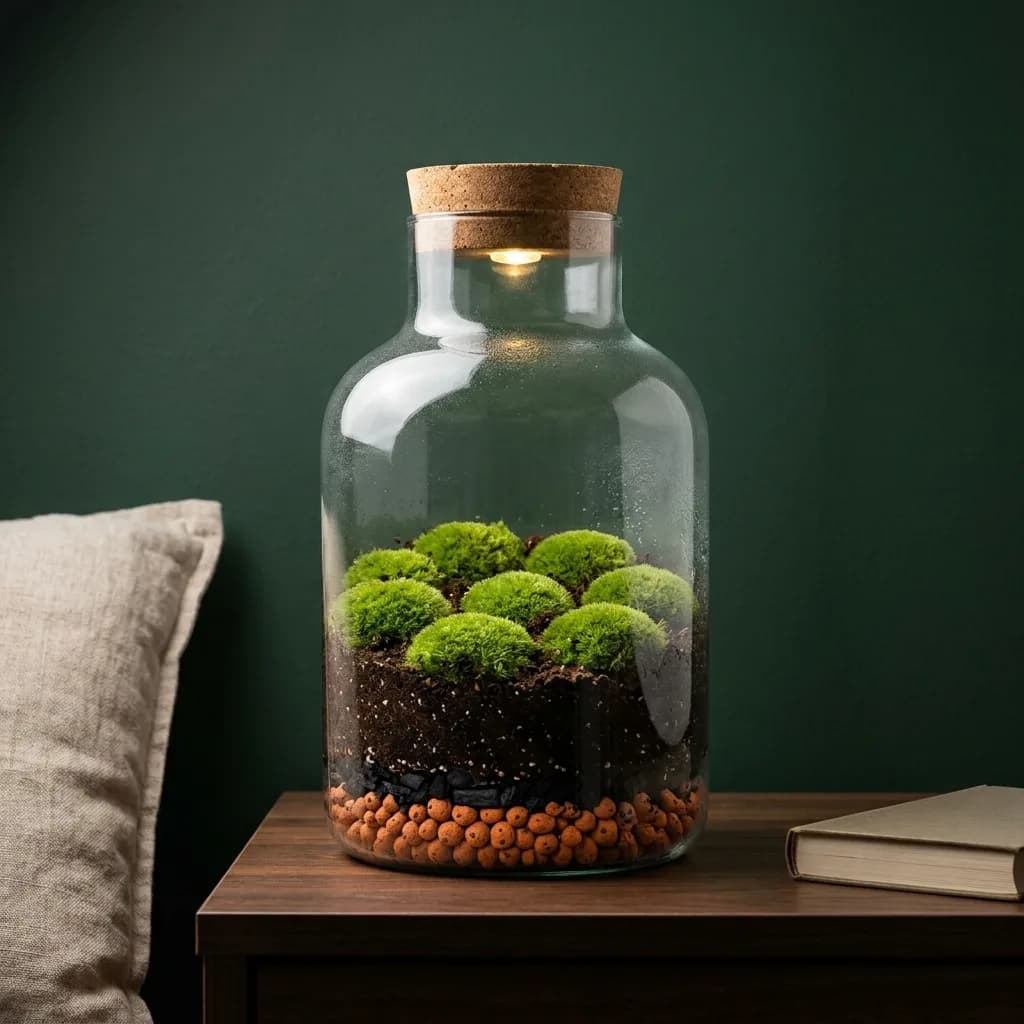
- Coir, rinsed, gives even water retention and takes up water again easily. It has now replaced peat in most seed composts.
- Sieved green compost supplies the small amount of nutrients needed for the first few weeks.
- Perlite, that very light white granulate, creates air pockets that keep the mix from compacting.
Peat, for its part, long served as the base of every compost. Extracting it destroys peat bogs, wetlands that take millennia to form and that store large amounts of carbon; peat-free alternatives are now widely documented and available. Peat-free compost simply calls for slightly different watching: it dries faster at the surface, and is checked deeper down rather than by eye. The method is the same as for any plant in a pot, described in our guide watering your house plants.
Sources
Frequently asked questions
Can seed compost be reused from one year to the next?
An opened bag that has stayed closed and under cover can be reused the following season without trouble. Compost that has already been through a pot, on the other hand, has lost its structure and its nutrients, and may harbour damping-off spores or fungus gnat larvae. It is still useful at the bottom of a potting-on pot or in the compost heap, but not for a new batch of seedlings. The rule fits in one sentence: a sowing always starts from fresh medium.
Can seed compost be used for adult plants?
On its own, no: it is deliberately low in nutrients and would run out within a few weeks. Mixed in equal parts with a richer potting compost, however, it gives an airy medium that suits young plants and herbs well. For a plant settled in its final pot, liquid feed takes over after four to six weeks.
Does compost need sterilising before sowing?
Fresh seed compost, out of a bag that was still sealed, needs no treatment. Baking it in the oven is sometimes advised for compost taken from a previous crop, but it also destroys the useful microbial life and gives off a lingering smell. It is simpler and more effective to start from a fresh bag for sowing, and to keep already-used compost for potting on tough plants.
How many pots does a 20-litre bag fill?
A 20-litre bag fills about 220 pots of 6 cm across, or around ten seed trays. The real volume depends on how firmly it is packed: seed compost is filled in without being pressed down, so it takes a little more than you would think. An opened bag is kept loosely closed, out of the sun, and used within the year.