




Biodiversity in the garden
Make room for nature.
Aéro departments
The whole shop BirdsComing soon
 PollinatorsComing soon
 InsectsComing soon
 HedgehogsComing soon
 ObservationComing soon
To begin, three guides first.
The basics, in order. The rest you learn by watching it live.
All getting-started guides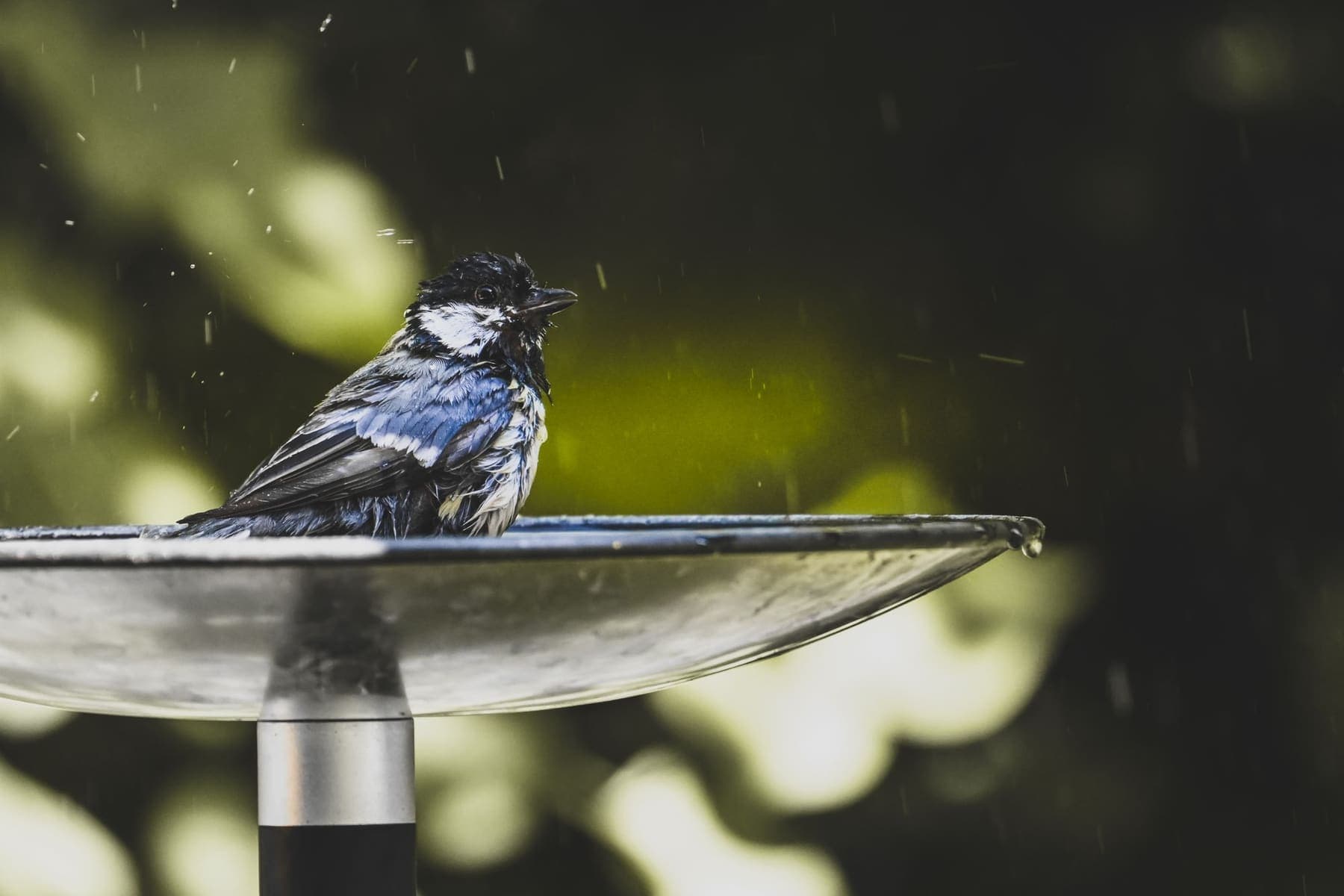
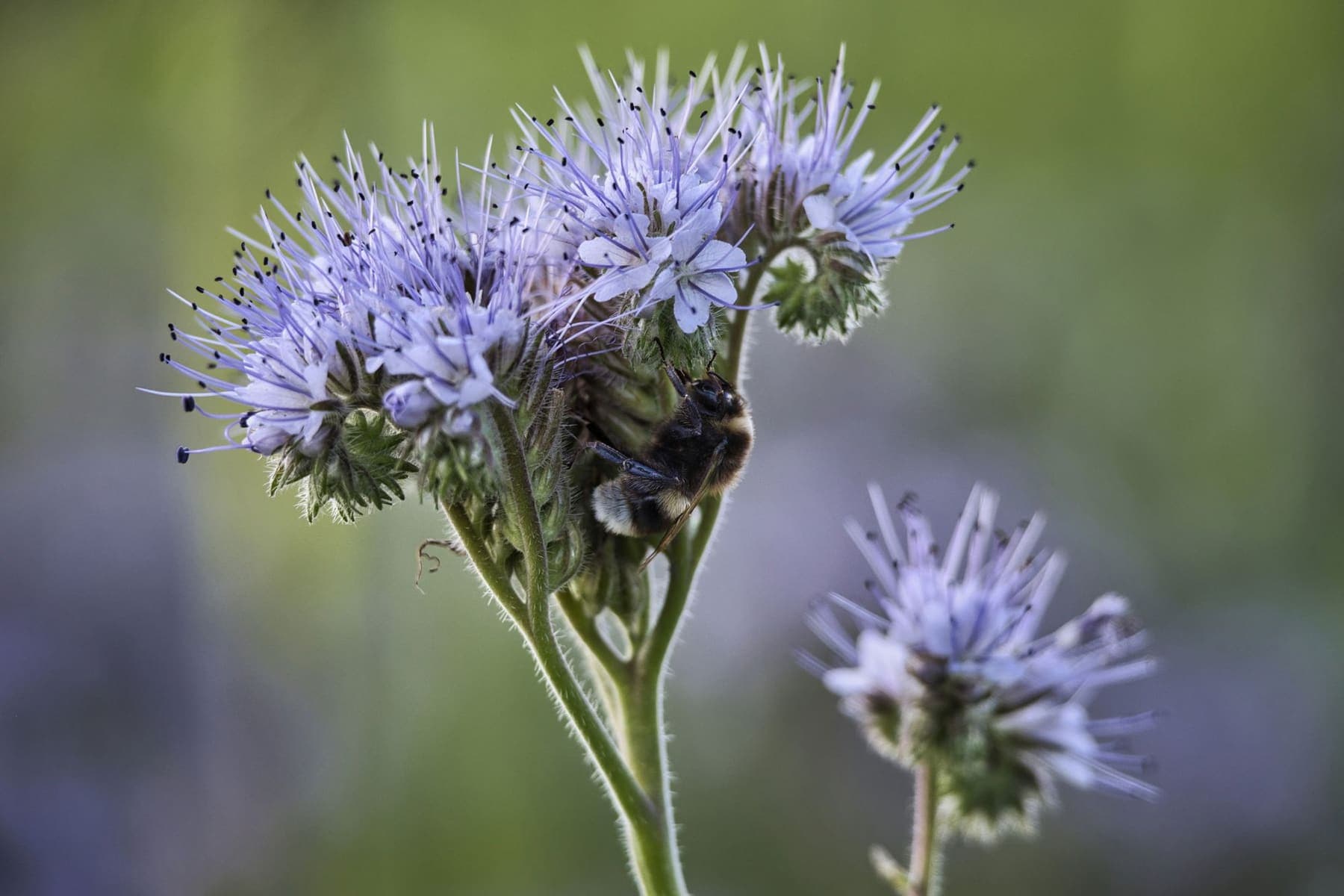
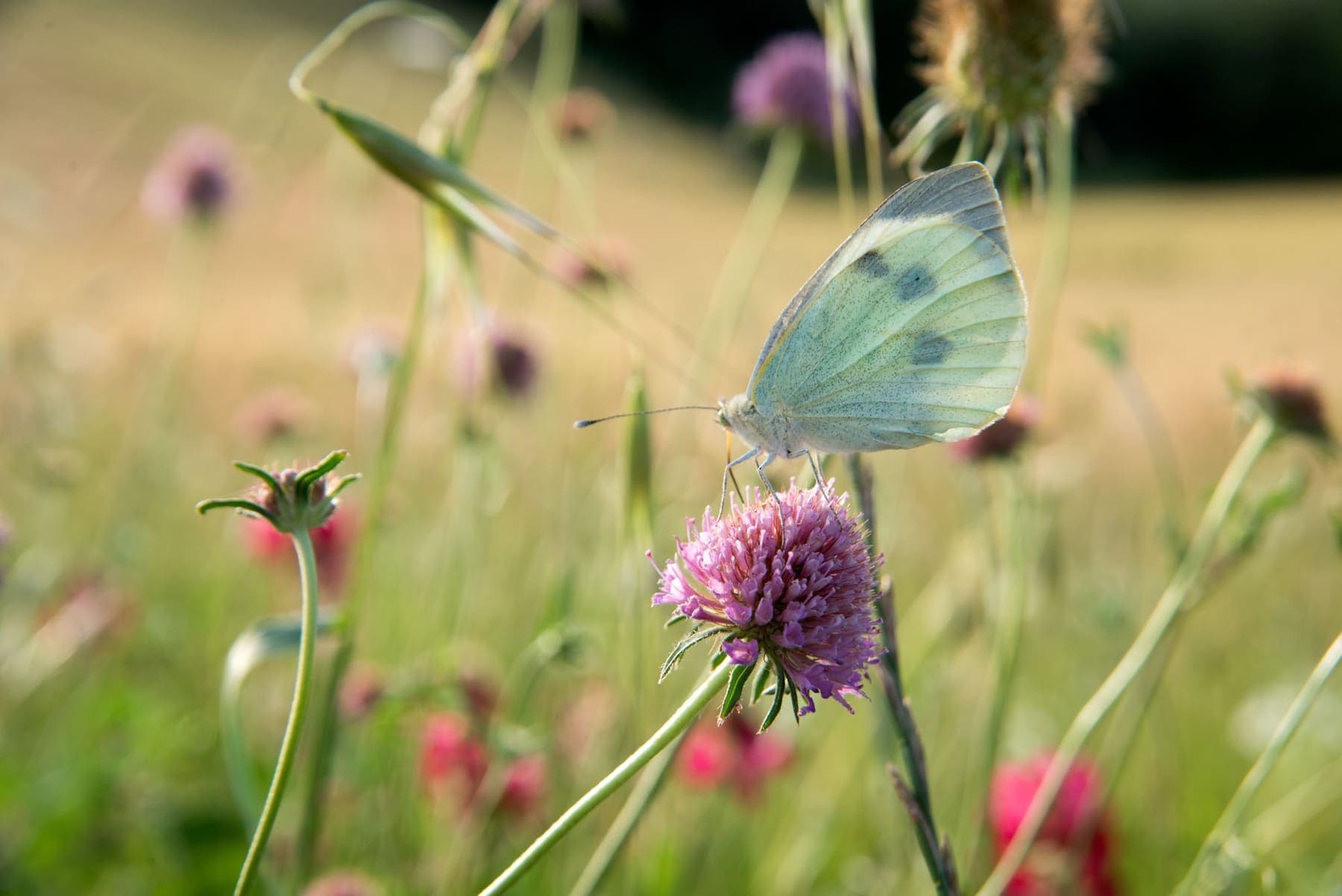
Aqua is on its way.
Leave your email: the newsletter announces each opening.
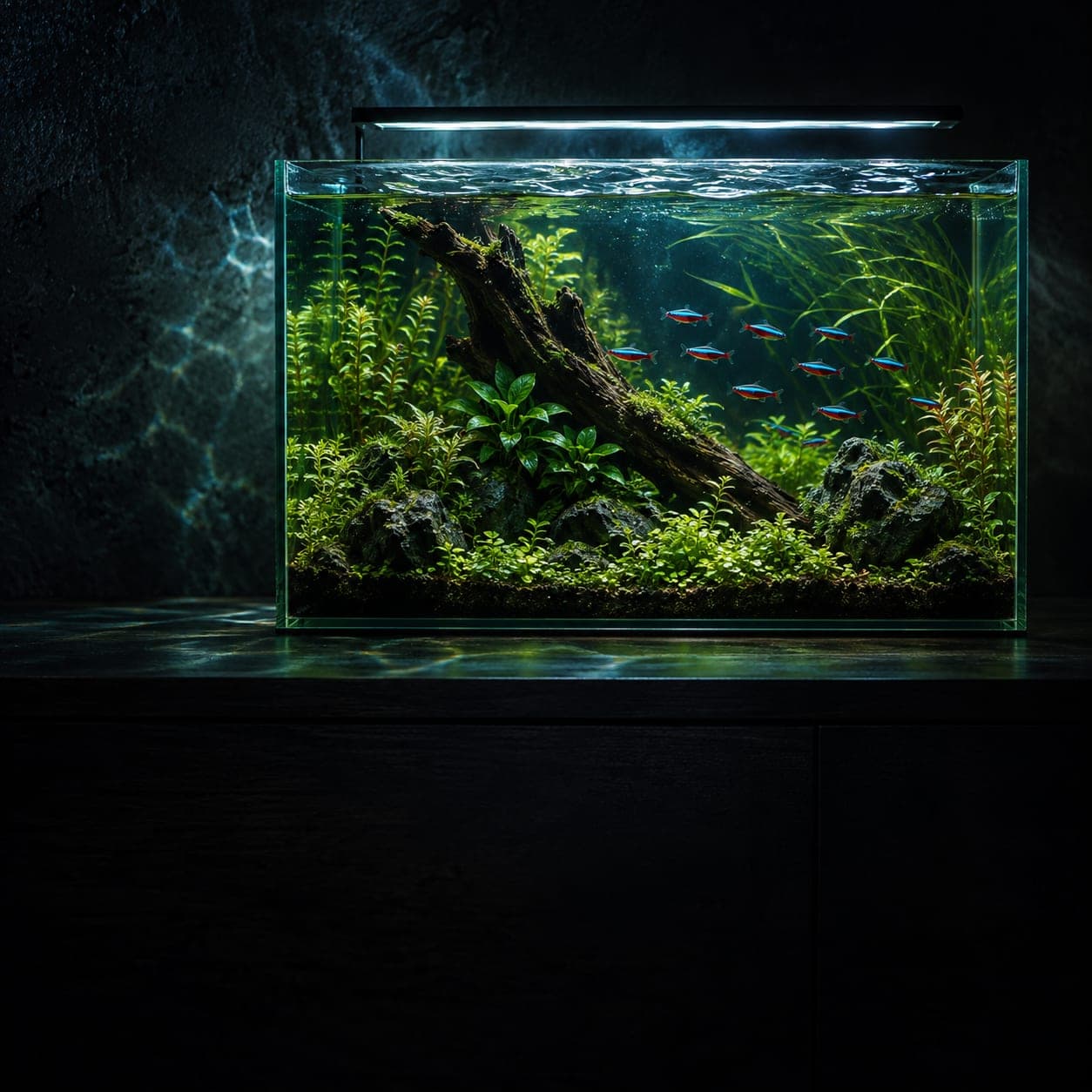
Everything for the wild universe.
Making room for local wildlife, at the right time
A garden, a yard or even a balcony can become a home again for tits, solitary bees or the hedgehog. The essentials don't cost much: a shelter placed in the right spot at the right time of year, clean water, local flowers and no pesticides. Equipment helps, as long as it respects the animals' rhythm.
Timing matters as much as the object itself. A nest box goes up in autumn or winter, so birds can find it before the breeding season. Feeding is limited to the cold season and tapers off gradually in spring: our guide feeding birds in winter explains when to start, what to give and how to avoid disease.
To go further, read how to attract tits to the garden or welcoming hedgehogs without disturbing them. The guide which nest box to choose brings together the first steps.
FAQ
Questions about the wild universe
When should I put up a nest box?
Preferably between autumn and late winter. Birds visit cavities well before nesting; a nest box put up in spring is less likely to be occupied the first year, but may be the following season.
Should I feed birds in summer?
Feeding is mainly useful during the cold season. In spring, cut it back gradually: adults need to feed their chicks insects, and some foods such as whole peanuts can be dangerous for nestlings. Water, on the other hand, remains valuable all year round.
What should I feed a hedgehog?
A garden rich in insects remains its best resource. Simply offer water in a shallow dish. Never milk or bread; if you need to help out occasionally, a few cat biscuits can do the trick. A hedgehog that's injured or active in broad daylight should be reported to a wildlife rescue centre.
Can I welcome wildlife on a balcony?
Yes. Window boxes of nectar-rich plants, a small shelter for solitary bees and a water dish are enough to attract pollinators, even in a city. For a bird feeder, check your building's rules and make sure not to disturb your neighbours.
At what height and orientation should I put up a nest box for tits?
Fix it between 2 and 3 metres up, on a trunk, a wall or a post, out of reach of cats. Face the hole east or south-east, sheltered from prevailing winds and the scorching afternoon sun. Tilt it very slightly forward so rain doesn't get in.
Is an insect hotel really useful?
Yes, if it's well designed and well placed. Clean cavities, closed at the back and in a range of diameters, house solitary bees. Models filled with straw or pine cones are often barely used. Without flowers nearby, no shelter will be inhabited: sowing first remains the priority.
What should I do if I see a hedgehog outside in broad daylight?
A hedgehog active in daylight is often in difficulty. Wearing gloves, place it in a box lined with a towel, in a quiet spot, with a water dish. Never give it milk. Contact a wildlife rescue centre promptly, they'll tell you what to do.
Which flowers should I sow for wild bees?
Favour local species and simple flowers, which are richer in nectar and pollen than double-flowered varieties. Phacelia, wildflower meadow mixes, borage or clovers all work well. Stagger the flowering from spring to autumn and use no pesticides.
How can I tell if a hedgehog lives in my garden?
Look for its droppings, black, elongated and often glistening with insect fragments, on the lawn or near flower beds. At night, you may hear it snuffling or rustling through leaves. A trail camera set low to the ground, near a water dish, confirms its presence without disturbing it.
Wild: what you need to know
Welcoming birds all year round
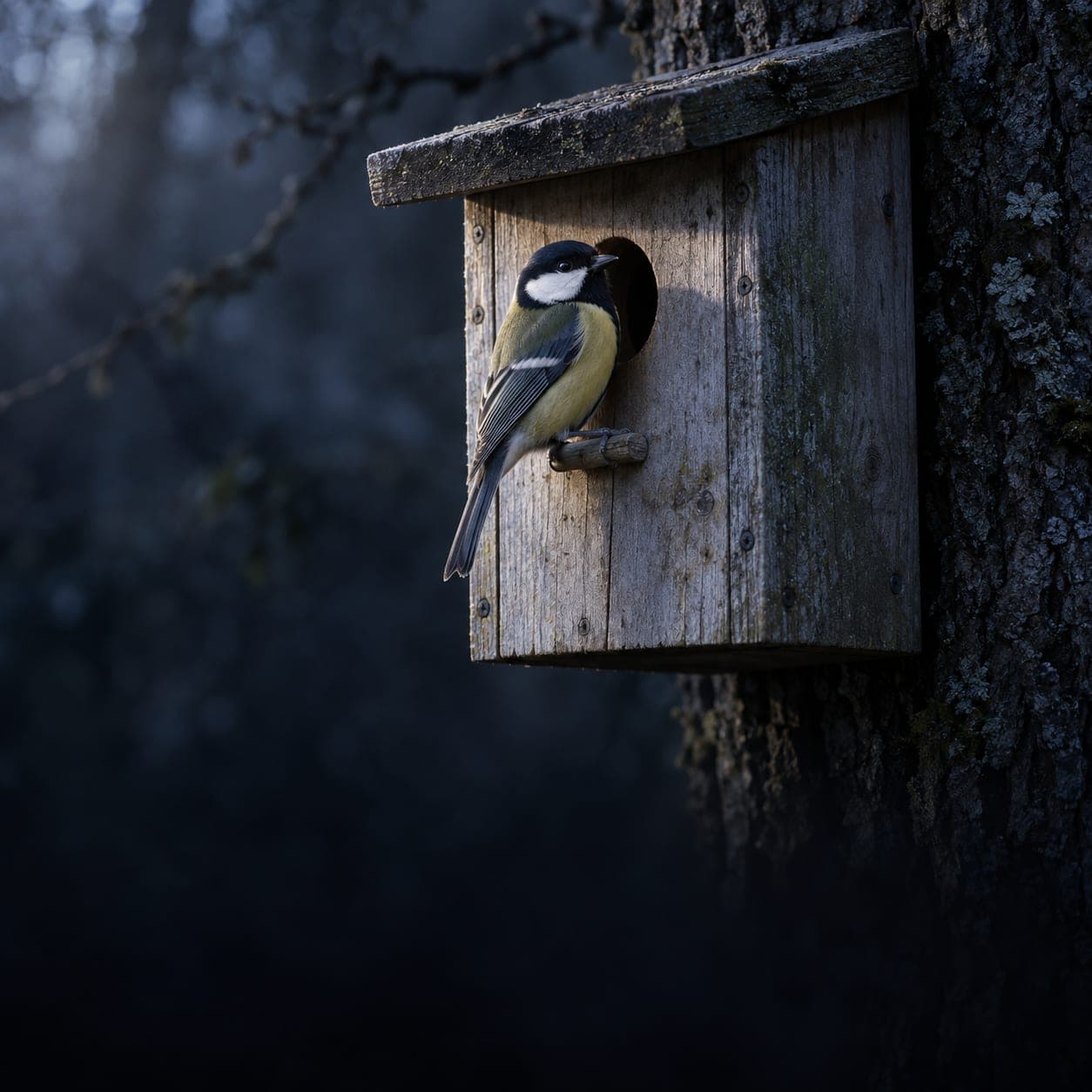
Put up a nest box before the nesting season. Fix it two to three metres up, entrance hole sheltered from prevailing winds and midday sun, out of reach of cats. The diameter of the hole determines the occupants: 28 mm for blue tits, 32 mm for great tits. Don't open it during nesting and clean it out in autumn.
Feeding is mainly done during the cold season, when natural food becomes scarce. Offer suitable seeds, never bread, and clean feeders and bird baths regularly to limit the spread of disease. The guide How to attract tits to the garden sets out the right approach.
Helping pollinators
Solitary bees, bumblebees and butterflies need flowers from spring to autumn. Sowing local nectar-rich plants, leaving an area of long grass and avoiding pesticides matter more than any shelter. Shelters for pollinators come next, placed in the sun and protected from rain. The guide Insect hotel: choosing and installing it well explains how to position an insect hotel so it's genuinely used.
The hedgehog, a nocturnal visitor to protect
Every night, the hedgehog roams a wide territory in search of insects, worms and slugs. To help it, create a gap of around 13 × 13 cm in fences, leave a pile of leaves or a hedgehog refuge in a quiet corner, and offer a shallow water dish. Never give it milk, which it digests poorly, or bread. Be careful with brush cutters and robotic mowers used at night. The guide The hedgehog in the garden and the project Welcoming a hedgehog will guide you.
Observing without disturbing
A field notebook or a trail camera let you discover the garden's wildlife from a distance. Position cameras so they only film your own property, and keep your distance from nests. The equipment is gathered in the Observation category.