






Hedgehogs
Wooden refuges and fence passages for helping the hedgehog move around, find shelter and hibernate safely in the garden.
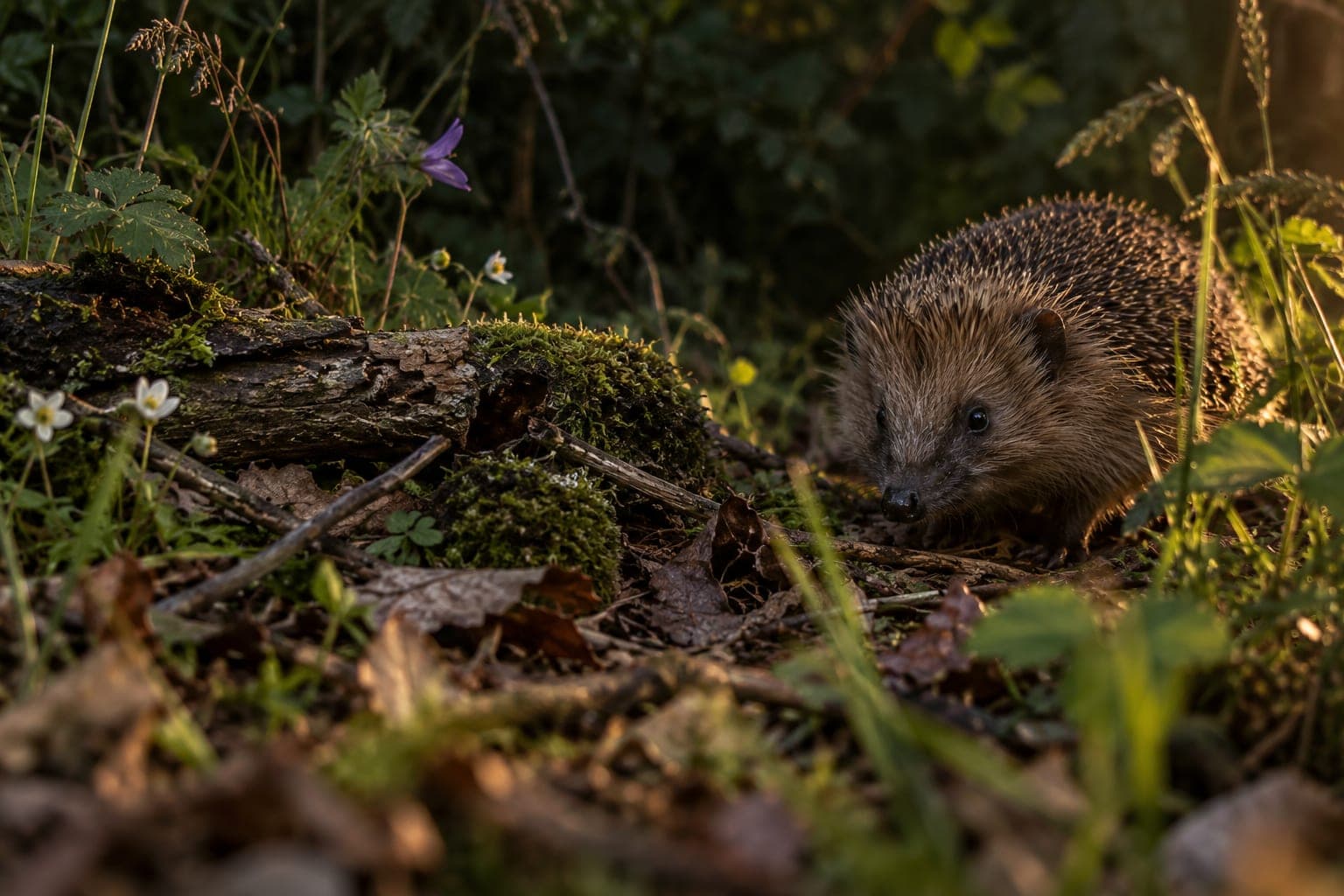
Hedgehogs: our advice
Helping hedgehogs move around and find shelter
The European hedgehog is a protected species in most of Europe, and a valuable ally in the garden: at night, it often travels a long way in search of insects, worms and slugs. What it lacks most are passages between gardens and quiet shelters to sleep in during the day and spend the winter.
A 13 × 13 cm gap, cut at the base of a fence or wire mesh, opens up access to neighbouring gardens without letting most dogs through. A wooden refuge, placed in a quiet corner, sheltered from prevailing winds and covered with leaves or branches, can serve as a resting place or a hibernation site. Also leave a pile of dead leaves and a less tidy corner of the garden.
To help it without causing harm, remember a few rules: never milk, a clean water dish, no chemical slug pellets, and a check before running the brush cutter. It's all covered in The hedgehog in the garden: welcoming it without disturbing it.
An animal that needs space
The hedgehog is a nocturnal, insectivorous mammal, protected in most of Europe. It travels a great deal each night to find food, and a single enclosed garden isn't enough for it. The first useful step is therefore to link gardens together with gaps of around 13 × 13 cm, made at the base of fences.
The refuge
A refuge offers a safe place to rest during the day, give birth or spend the winter. Choose an untreated wooden model, with a staggered entrance or a tunnel that limits access for predators. Install it in a quiet corner, sheltered from prevailing winds, against a hedge or covered with branches and dead leaves. Slip a little straw or dry leaves inside, without filling it.
Food and water
A living garden, rich in insects, worms and slugs, remains its best resource. Offer a shallow water dish, especially during dry spells. Never give it milk, which it digests poorly, or bread. If you need to help out occasionally, for example during a drought, a few cat biscuits can do the trick.
A safe garden
- Give up chemical slug pellets and pesticides.
- Check long grass and piles of leaves before strimming.
- Don't use a robotic mower at night.
- Fit ponds with an exit ramp.
- Cover drains and holes it could fall into.
A hedgehog in difficulty
A hedgehog seen in broad daylight, injured or very small as winter approaches, probably needs help. Contact a wildlife rescue centre before doing anything.
More advice in The hedgehog in the garden: welcoming it without disturbing it and the project Welcoming a hedgehog.
FAQ
Questions about hedgehogs
Can a hedgehog spend the winter in my refuge?
Yes, if it chooses to. It generally hibernates from late autumn to early spring. During this period, don't open the refuge and don't move it.
Where should I install a hedgehog passage?
At ground level, in a fence separating two gardens, ideally agreed with your neighbours. Avoid passages that open directly onto a busy road.