

How to attract tits to the garden: nest box, food and good habits
A nest box with the right hole size, well placed and put up in time, sensible winter feeding and a garden rich in insects: the habits that really bring tits in.
In this guide
To attract tits, offer them what they look for all year round: a safe nesting site, food suited to the season, water and a garden rich in insects. In practice, put up a nest box with a 26 to 28 mm hole (blue tit) or a 32 mm hole (great tit), at least 2 m high, hole facing east or south-east, from autumn or early winter; feed them sensibly during cold spells; and leave room for hedges and local plants. Here's how to do it, and what's best avoided.
Getting to know the garden's tits
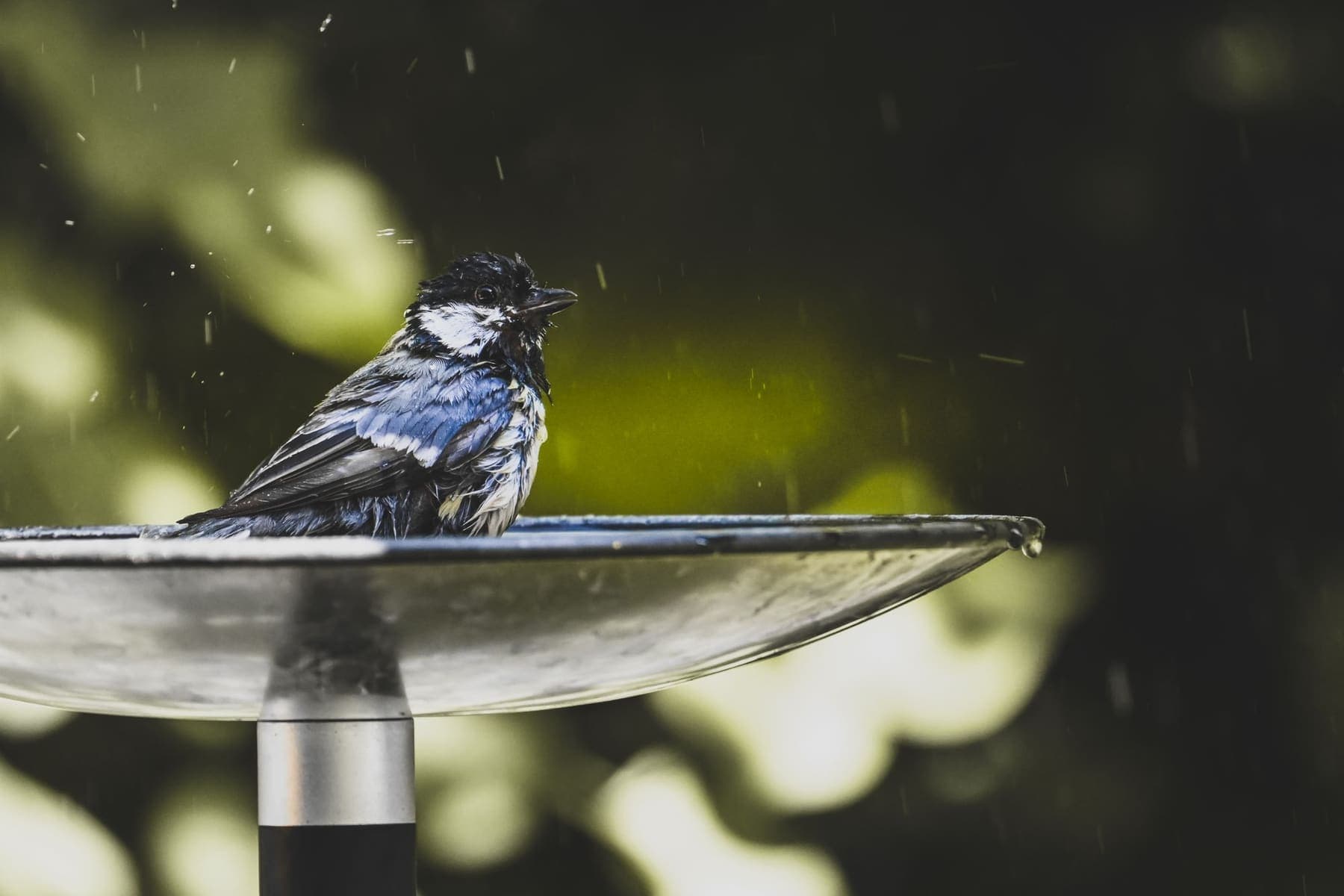
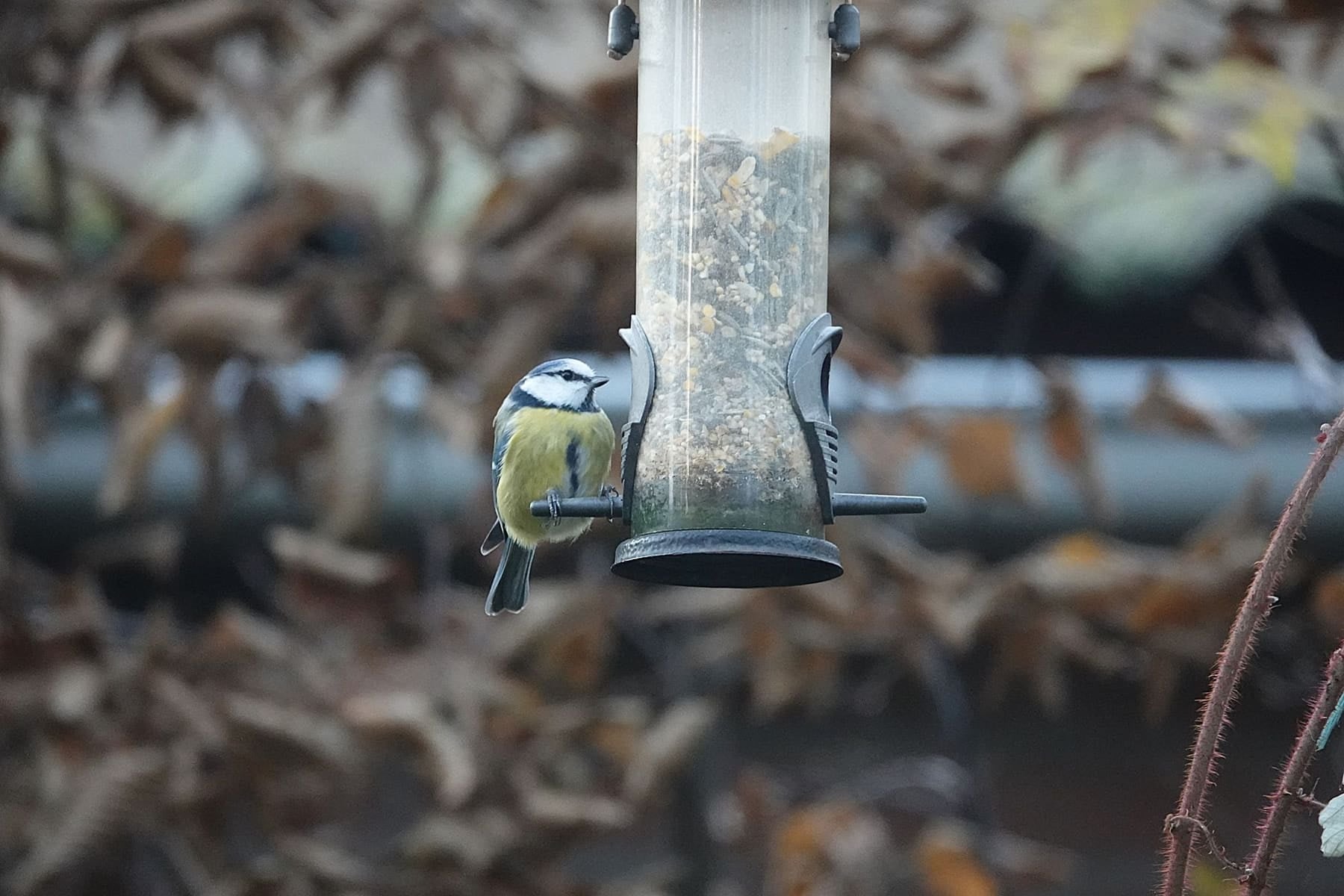
Two species visit most gardens in France: the blue tit, small, with a blue cap, and the great tit, larger, with a black head and white cheeks, recognisable by the black stripe down its yellow belly. Others, such as the coal tit, marsh tit or long-tailed tit, also pass through depending on the region and vegetation.
Tits naturally nest in cavities: old woodpecker holes, hollow trees, cracks in old walls. Where these cavities are lacking, a well-designed nest box makes up for it. They're also big consumers of insects, especially caterpillars, which make up most of the chicks' food in spring.
The nest box: the most effective lever
Choosing the right hole diameter
The entrance diameter selects the occupants. LPO's guidelines:
- 25 to 27 mm: coal tit.
- 26 to 28 mm: blue tit. Larger species can't get in.
- 32 mm: great tit, but also tree sparrow.
- 32 to 40 mm: house sparrow.
Choose a wooden nest box, untreated and raw on the inside, with walls thick enough to insulate against cold and heat, an overhanging roof and no perch under the hole: it's of no use to tits and mainly helps predators. A few small holes in the base let moisture escape, and an opening part (roof, front or base) allows for cleaning.
This Esschert Design blue tit box has a 27 mm entrance hole, within the recommended range for the species, and opens from the base for annual cleaning. If you'd rather build your own, our guide Which nest box should you choose? compares models.
Where and when to install it
Fix the box at least 2 m high (LPO indicates 2 to 5 m for the blue tit, 2 to 6 m for the great tit), on a trunk, wall or post, out of reach of cats. Avoid the top of a wall and the proximity of horizontal branches, which make it easier for predators to reach. Face the hole east or south-east, away from prevailing winds, never in full sun or full shade. Tilt it very slightly forward so rain doesn't get in.
The best time is autumn or early winter. Tits look for good sites very early, and a box put up in advance has time to become familiar. Put up in spring, it often stays empty the first year.
Pairs defend their territory against birds of the same species. So space out two identical boxes: LPO recommends 15 to 20 m for the blue tit and 40 to 50 m for the great tit. In a small garden, a single box of each diameter is enough.
Annual maintenance
Clean the box every year in September or October, once the breeding season is well over: empty out the old nest, which can harbour parasites, and brush the inside with a wire brush, without any chemical product. At this time of year, the risk of disturbing a bat or dormouse that may have moved in is low. Never open it in spring to "check": the disturbance can lead to the brood being abandoned. Our guide cleaning a nest box covers each step in detail.
Feeding: helpful in winter, if kept sensible
Feeding birds isn't essential, but it can help during cold spells, when insects become scarce. LPO recommends limiting it to the harsh season, generally from mid-November to the end of March, and gradually reducing the amounts as spring arrives: adults then need to turn to insects, the only food suited to their young. Find the full feeding calendar in our guide.
What suits tits:
- black sunflower seeds, rich in energy;
- a simple mix, for example a third black sunflower seed, a third peanuts and a third cracked maize, as LPO suggests;
- unsalted, unroasted peanuts, served in a mesh feeder where the bird picks them apart in small pieces;
- vegetable-fat suet blocks without additives.
To avoid: bread, too salty and poorly digested; salted or spiced leftovers; milk, which birds can't digest. Also avoid fat balls sold in a net, which LPO advises against: birds can get their feet caught in it. Always remove the net and use a rigid mesh holder.
Feeder and water hygiene
Birds gathering in the same spot can pass on diseases to each other, such as trichomonosis or salmonellosis. LPO recommends cleaning feeders and drinkers every week during the feeding period, with a brush, water and Marseille or black soap, wearing gloves. Only put out what's eaten within a day or two, pick up fallen seeds, and move the feeding spot from time to time. Change the water in the drinker very regularly, including in winter, without ever adding salt or antifreeze.
If any birds look unwell (fluffed up, listless), LPO recommends stopping feeding for four weeks and cleaning all the equipment.
A garden that really feeds them
A nest box and a feeder don't replace a living habitat. A hedge of local species (hawthorn, hazel, elder, blackthorn) offers shelter, berries and insects. Leave a corner of the garden less tidy, some dead leaves and some native flowering plants. Above all, ban insecticides: they wipe out precisely the caterpillars broods depend on. A well-installed insect hotel and a few nectar-rich flowers contribute to the same balance.
Common mistakes
- Installing the box in full sun, too low, or within reach of cats.
- Adding a perch under the entrance hole.
- Putting up several identical boxes side by side.
- Feeding all year round in large amounts, or with bread.
- Forgetting to clean feeders and drinkers.
- Hanging fat balls still in their net.
Nest boxes, feeders and drinkers are presented in the Birds section. And if your garden also welcomes nocturnal wildlife, read our guide to hedgehogs in the garden.
Sources
Frequently asked questions
Which hole diameter should you choose for a tit nest box?
26 to 28 mm for the blue tit, 25 to 27 mm for the coal tit and 32 mm for the great tit. A 32 mm hole can also welcome the tree sparrow.
When should you install a nest box for tits?
From autumn or early winter, as tits look for good sites very early. Put up in spring, it has a good chance of staying empty for the first season.
Can you give bread to tits?
No. Bread is too salty and poorly digested by birds. Prefer black sunflower seeds, vegetable-fat suet blocks without netting, and unsalted peanuts served in a mesh feeder.