

A water point for birds: baths, drinkers and upkeep
Depth, slope of the bottom, position, how often to change the water and what to do in winter: how to give garden birds a water point that is genuinely useful and safe.
In this guide
A good water point for birds is shallow — roughly 1 to 5 cm — with a gently sloping, non-slip bottom, set out in the open but two metres from a sheltering bush. The water is renewed every two or three days, daily in hot weather and in frosty weather alike, and the bowl is scrubbed once a week with clean water. It is often the feature that draws the most species into a garden, more than a feeder does, and it works all year round.
What a bird comes looking for
Two needs, not one. Drinking, first: a small songbird living on dry seed has to drink several times a day, and frozen ground or summer drought make open water hard to find. Bathing, second: a bath is no luxury, it loosens dust and parasites from the plumage and allows proper preening afterwards. Well-kept plumage insulates better against the cold, which counts as much in January as in July.
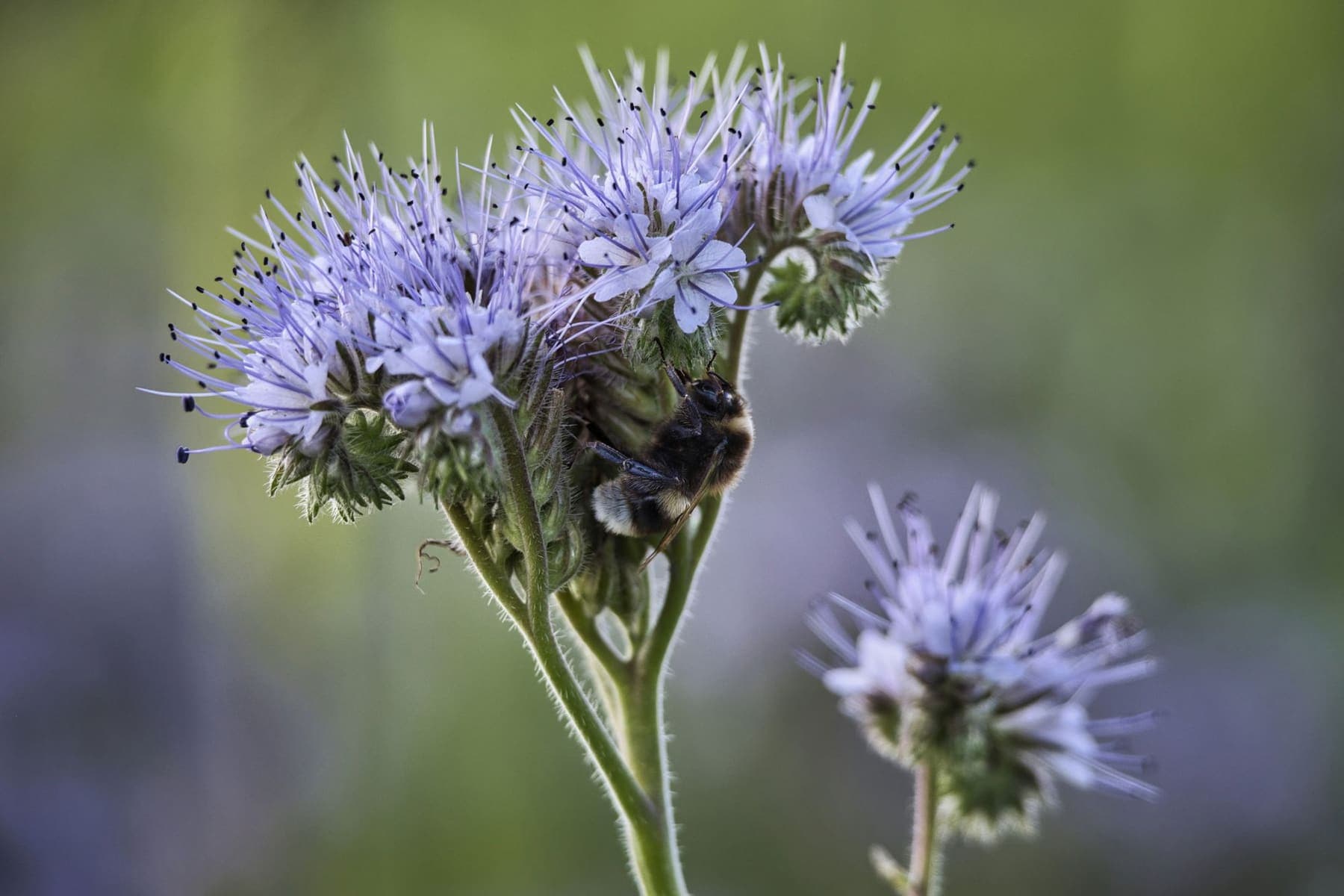
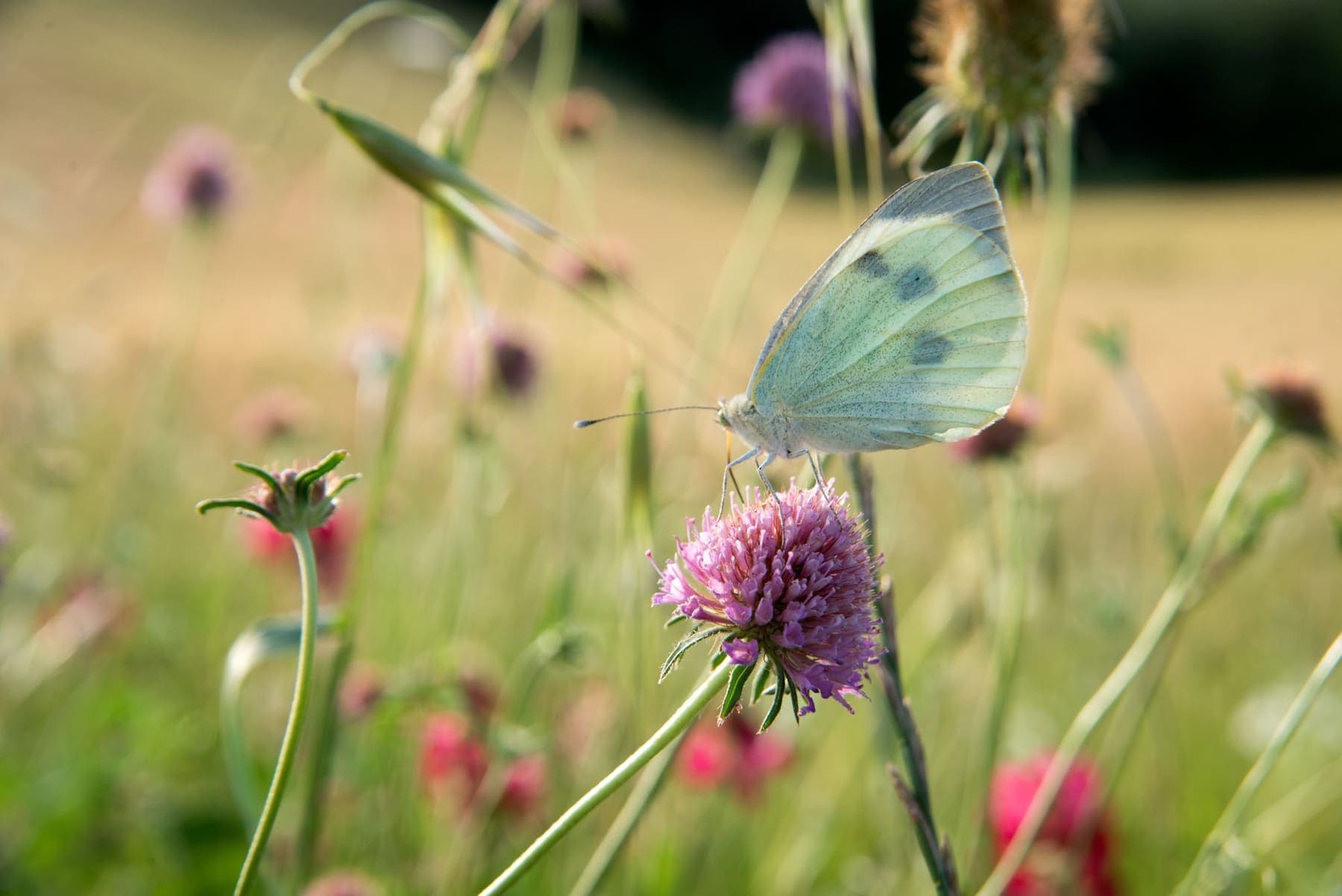
A water point also benefits the rest of the smaller wildlife: hedgehogs out foraging at night, bees and butterflies in hot weather, which come to drink at the edge of a dish set on the ground. It is one of the pieces of a garden that welcomes biodiversity, on a par with a hedge of native species or a corner left rough.
One last advantage, less expected: a water point attracts species that never come to the feeder. A robin, a warbler or a chiffchaff do not eat seed, but they drink and bathe like the rest. That is why a bowl of water lengthens the list of birds seen in a garden more reliably than a seed hopper.
Depth, slope and bottom: the three measurements that count
Drowning is the real risk of a badly designed water point. Three dimensions remove it.
- The depth. Reckon on 1 cm at the edges and 5 cm at most in the middle. A small songbird stands in 2 to 3 cm of water; a blackbird will take a little more. Beyond 5 cm, the small species give up.
- The slope. A bottom that drops away gradually lets each bird choose its own depth, instead of imposing a step. That is what separates a true bird bath from a plain straight-sided saucer.
- The bottom. It needs a little grip. Perfectly smooth glaze turns slippery underwater: a few flat pebbles set in the middle correct the fault and act as a perch for insects and the smallest birds.
The diameter matters less, but a bowl of 30 to 50 cm lets two or three birds share it without chasing each other off.
The material is chosen mainly for weight and resistance to frost. Glazed stoneware, reconstituted stone and galvanised steel all work well: they stay put, scrub easily and release nothing into the water. An unglazed terracotta pot saucer does the job perfectly as a stopgap, provided it sits on a flat surface and is emptied before hard frosts. Light plastic, on the other hand, tips over and scratches, and scratches hold the dirt.
Ground-level dish or pedestal bath
The two formats do not address the same public and do not raise the same questions.
| Ground-level dish | Pedestal bath | |
|---|---|---|
| Height | At ground level | Bowl at about 75 cm |
| Who comes | Birds, hedgehogs, insects, amphibians | Almost birds only |
| Safety from cats | Poor: the spot has to be very open | Good, the height puts the birds out of reach |
| Stability | Excellent if the material is heavy | Needs fixing down, or wind or a cat will tip it |
| Upkeep | Easy, the bowl is rinsed where it stands | Removable bowl, more convenient to scrub |
| Frost | Empty before a hard frost if the material is porous | Empty likewise, the bowl lifts off |
Many gardens are better off with both: one raised for the songbirds, one on the ground for the ground-dwelling wildlife. In a very small space, the ground-level dish remains the most versatile choice, provided it is set well out in the open.
A glazed stoneware bowl of 35 cm, 4 cm deep at most and edged with a slope that lets an insect that falls in climb out again, covers that ground-level need.
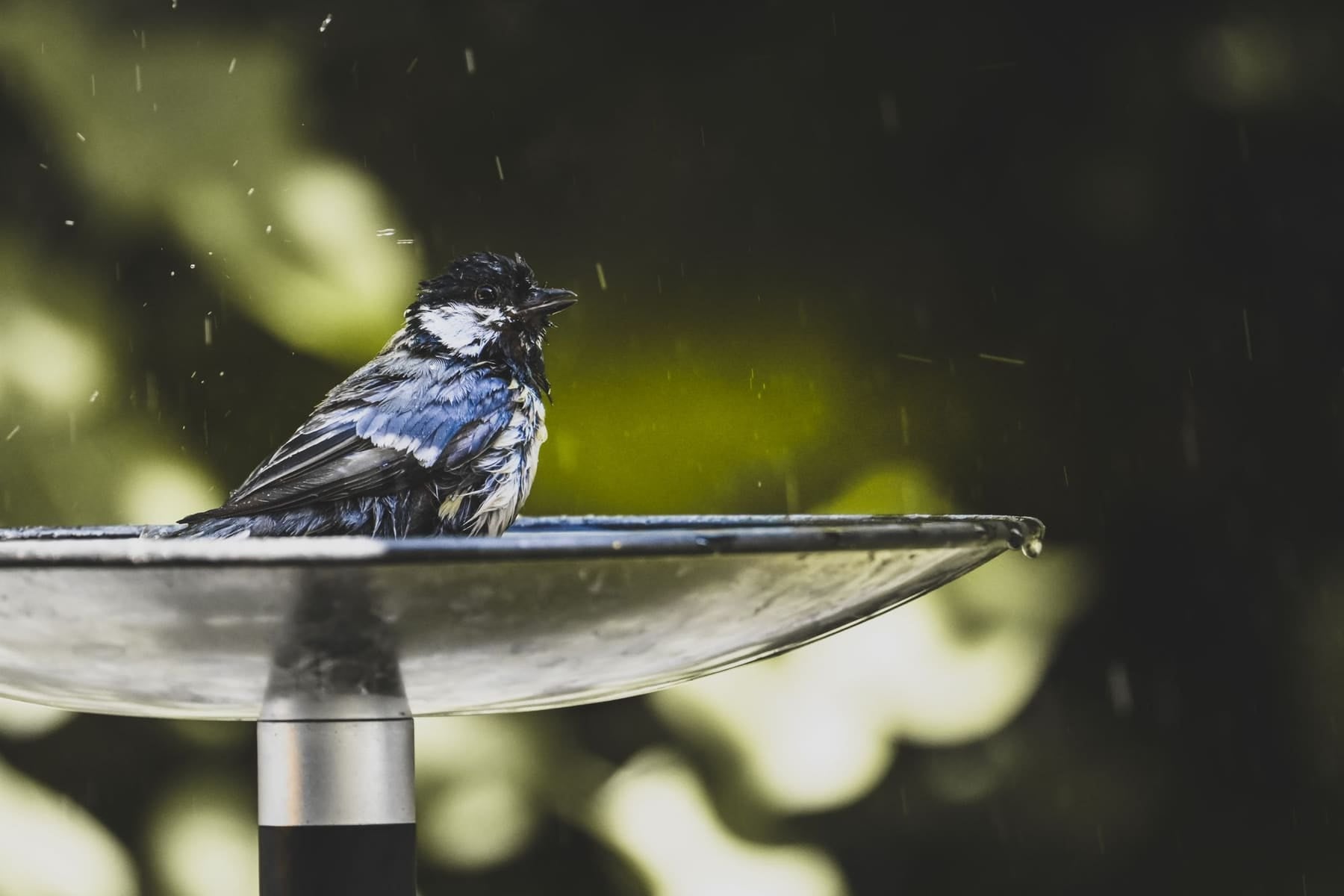
On a pedestal, a 45 cm bowl whose bottom drops from 1 to 5 cm suits a blue tit at the rim as well as a blackbird in the middle, while keeping the bathers out of reach of cats.
Where to put it
The rules follow those for a feeder, with one difference: a wet bird flies badly for a few minutes, so it is more vulnerable here than elsewhere.
- Out in the open, with a radius of about two metres clear of low planting, log piles or troughs where a cat could lie in wait.
- Two metres from cover — a hedge, a bush, a shrub — to take refuge in and dry off safely. A reasonably clear branch within flying distance makes a drying perch.
- In light shade for part of the day: the water stays cool longer and algae develop more slowly.
- Well away from large panes of glass, or else very close to them, under 50 cm, to limit collisions.
- On flat, stable ground. A bowl that rocks under the weight of a blackbird will not be visited again.
Avoid putting the water point directly under a feeder or under a much-used branch: husks and droppings fall in, and the water is dirty within a day. The right spot is a few metres from the feeding point, not below it. These distances are set out in detail in the guide where to site a bird feeder.
Upkeep, with no products
Standing water quickly fills with droppings, feathers and algae, and a badly kept water point passes on the same diseases as a dirty feeder.
- Renew the water every two or three days, and every day in hot weather, when the birds crowd in and evaporation concentrates the dirt.
- Scrub the bowl once a week with clean water. Soap is only called for if a deposit holds on, and it is then rinsed off very carefully.
- Never pour bleach, algicide or disinfectant into a container whose water is drunk directly.
- Empty it completely before refilling, rather than topping the level up.
- Wear gloves and wash your hands afterwards, just as when cleaning a feeder.
Frequent renewal also stops mosquitoes breeding in it: their larvae need several days of still water to develop. The full method for cleaning the equipment is described in cleaning a bird feeder.
Heatwaves and hard frost
In summer, water is worth more than food. During a heatwave, check the level morning and evening: a shallow bowl can dry out in a day. A second dish set on the ground, in the shade, helps hedgehogs and insects, which suffer badly in drought. Never offer milk to a hedgehog, which cannot digest it: fresh water is the only suitable drink, as our guide on hedgehogs in the garden points out.
In winter, ice-free water becomes precious, sometimes more so than a feeder. A few simple actions are enough:
- Put warm water in during the morning to melt the ice, or break the surface layer.
- Empty the bowl in the evening during a hard frost if it is stoneware, ceramic or terracotta: freezing water expands and splits the material.
- Float a light ball on the water: its movement delays icing over a little.
- Add no salt, no alcohol, no antifreeze and no glycerine. These products are toxic to birds, and salt damages their plumage.
Feeding, for its part, is limited to the lean season, from mid-November to the end of March, while water is offered all year: the full calendar is in feeding birds in winter.
Baths, drinkers and dishes are gathered in the Birds section.
Sources
Frequently asked questions
How deep should a bird bath be?
From 1 cm at the edges to 5 cm at the deepest point, with a gently sloping bottom. Most songbirds bathe in only 2 to 3 cm of water. A deeper bowl is not used by the small species and becomes dangerous for fledglings. A few pebbles set in the middle rescue a bowl that is slightly too deep.
How often should the water in a bird drinker be changed?
Every two or three days in ordinary conditions, and every day in hot weather or in frost. Empty it completely rather than topping the level up, and scrub the bowl with clean water once a week. That rhythm limits the spread of disease and stops mosquitoes breeding in it.
Can you have a water point on a balcony?
Yes, a wide, shallow dish set on a table or fixed to the railing works very well, provided it is stable and out of full afternoon sun. Allow for a perch nearby, a tall planter or a trellis, so the birds can dry off. In winter, empty it before a hard frost.
Should the water point be stopped in winter?
No, quite the opposite: that is when it earns its keep, because open water becomes scarce once everything freezes. Put warm water in during the morning, break the ice, and empty the bowl in the evening if it risks splitting. Never add salt or antifreeze, which are toxic to birds.