

Feeding birds in winter: when, what and how, without doing harm
When to start and when to stop, which seeds to choose, what never to give, where to put the feeder, and how to avoid disease.
In this guide
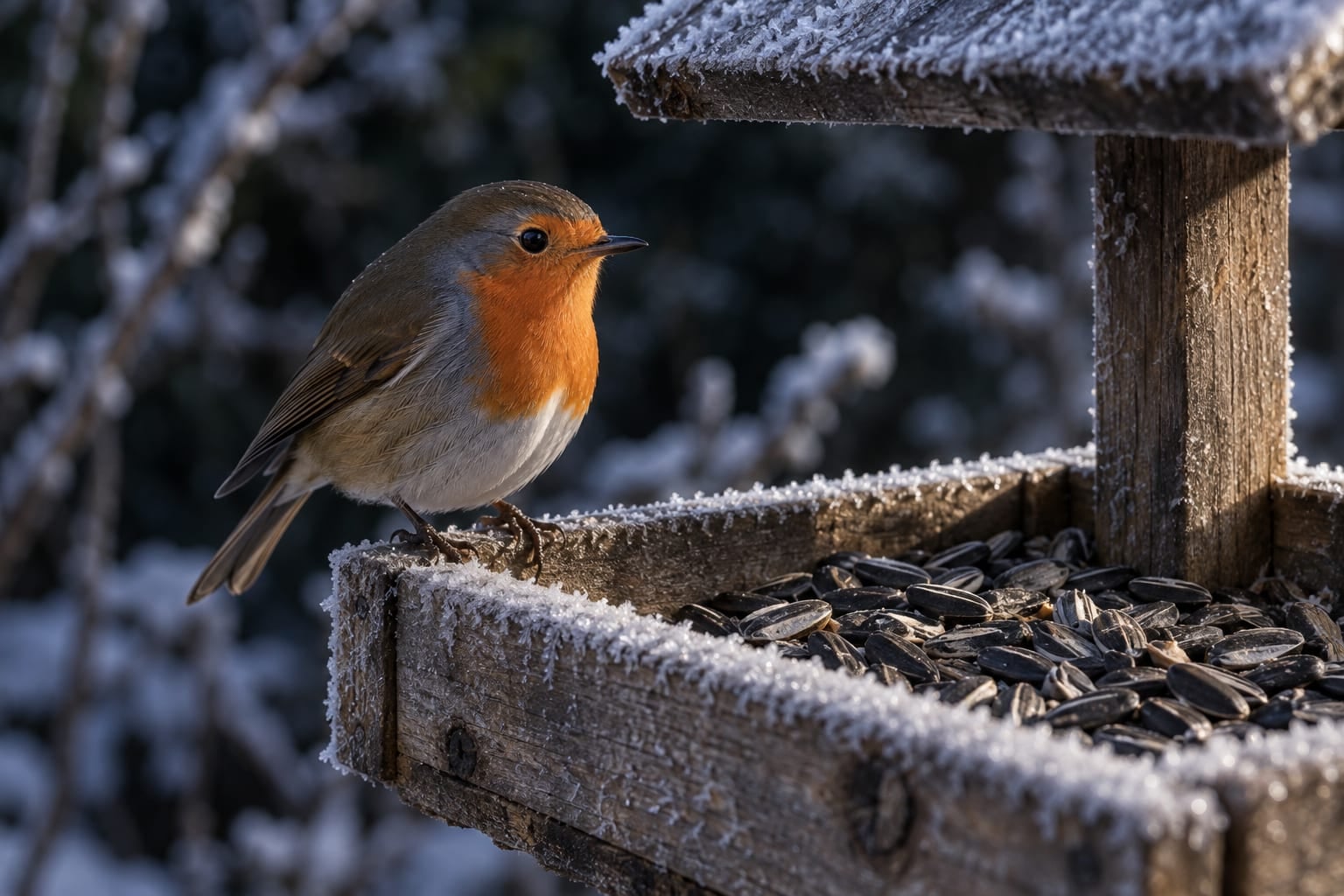
Feed garden birds in winter only, generally from mid-November to the end of March, and especially during cold snaps, frost or snow. Offer black sunflower seeds, a simple mix, meat-free suet, and, in a mesh feeder, unsalted peanuts. Never give bread, milk or salty leftovers. Clean feeders and bird baths every week, and stop gradually in spring, over seven to ten days. Water, on the other hand, remains useful all year round.
Why feed at all, and why not year-round
In winter, the days are short and the nights cold. A small songbird like the blue tit must find enough energy each day to get through the night, at a time when insects are scarce and frozen or snow-covered ground hides seeds. Sensible feeding helps it get through these hard spells.
In spring, the situation changes. Birds establish their territory, build their nest, then feed their chicks on insects, which are rich in protein. The fats in seeds and suet balls don't suit chicks. Continuing to feed also distracts the adults from this search for insects: that's why the LPO advises against feeding during the breeding season.
The feeding calendar
In autumn: prepare, don't feed yet
Make the most of October and November to clean or set up feeders and bird baths, choose where to put them, and build up a stock of seed kept dry. It's also a good time to clean nest boxes, once the breeding season has ended.
From mid-November to the end of March: feed regularly
Start when the cold sets in, particularly when snow or frost stop birds reaching their food for several days. Once you've started, keep it up until the cold ends: birds that have got into the habit of a feeding spot come to rely on it. Only fill feeders for a few days at a time, so the seed stays dry.
In spring: stop gradually
Once fine weather is settled in for good, reduce the amounts little by little, stopping completely after seven to ten days, as the LPO advises.
In summer: water, not seed
During hot spells, water becomes precious, both for drinking and for feather care. A clean, shallow bird bath does more good then than a feeder.
What to give
Seed
- Black sunflower: rich in fat, much loved by tits, greenfinches and many other songbirds.
- Dehusked sunflower: accessible to small beaks and free of husks that pile up on the ground.
- Millet and rolled oats with no sugar or salt: for sparrows, chaffinches and dunnocks.
Mixes sold for garden birds sometimes contain a lot of wheat or rice, which are barely eaten and quickly left on the ground. Read the ingredients. The LPO suggests a simple mix: one third black sunflower, one third peanuts and one third cracked maize.
Fats
Vegetable suet blocks provide a lot of energy. Choose ones without palm oil and offer them in a suitable rigid holder. Always remove the plastic mesh nets sold around some suet balls: the LPO advises against them, as birds can get their feet caught.
Peanuts
Offer them fresh, unsalted and unroasted, in a mesh feeder that forces birds to peck them apart in small pieces. Store them somewhere dry: damp peanuts can grow mould and become toxic. Like other fatty seeds, they should be withdrawn in spring.
This stainless-steel peanut silo from Esschert Design, with a rotating lid, hangs from a branch or a hook and keeps peanuts safe from droppings.
Fruit
Bruised apples or pears, cut in half and placed on the ground, are enjoyed by blackbirds and thrushes, which visit hanging feeders less.
What you should never give
- Bread: too salty, poorly digested, it causes digestive upsets.
- Milk: birds can't digest it.
- Salty, spicy or cooked leftovers: cold meats, bacon, cheese, crisps, cooking fats.
- Salted or roasted seeds or peanuts.
- Any damp, mouldy or rancid food: throw it away.
Where to put the feeder
Place the feeder up high, in an open spot, away from walls, dense bushes and low side branches where a cat or a stoat could hide or push off from. Birds need to see danger coming.
Also think about windows. If the feeder is close to a large glazed window, startled birds can hit it as they fly off. Set it up well away from glazed surfaces, or make the glass visible with closely spaced patterns rather than a single isolated silhouette.
Set up several feeding spots rather than concentrating everything in one place. A hanging feeder for tits, a raised tray for robins and dunnocks, and some fruit for blackbirds: everyone finds their place, birds gather less closely, and disease spreads less easily.
Hygiene: the most overlooked point
Birds gathering around the same feeder can pass diseases to each other. The LPO cites trichomonosis, salmonellosis, avian pox and scaly leg mite among others. A few simple habits greatly reduce this risk:
- Clean feeders and bird baths every week, and be especially careful during mild spells.
- Scrub with a brush, water and Marseille soap or black soap, rinse thoroughly, then let dry before refilling.
- Sweep up fallen seed and husks, and move the feeder from time to time.
- Prefer silos and dispensers that keep food away from droppings and rain.
- Wear gloves when cleaning and wash your hands afterwards.
If you notice ruffled, listless birds, or ones struggling to swallow, stop feeding for four weeks so the birds disperse, dispose of potentially contaminated seed and water, clean the equipment thoroughly, and seek advice from a bird protection charity.
Water, all year round
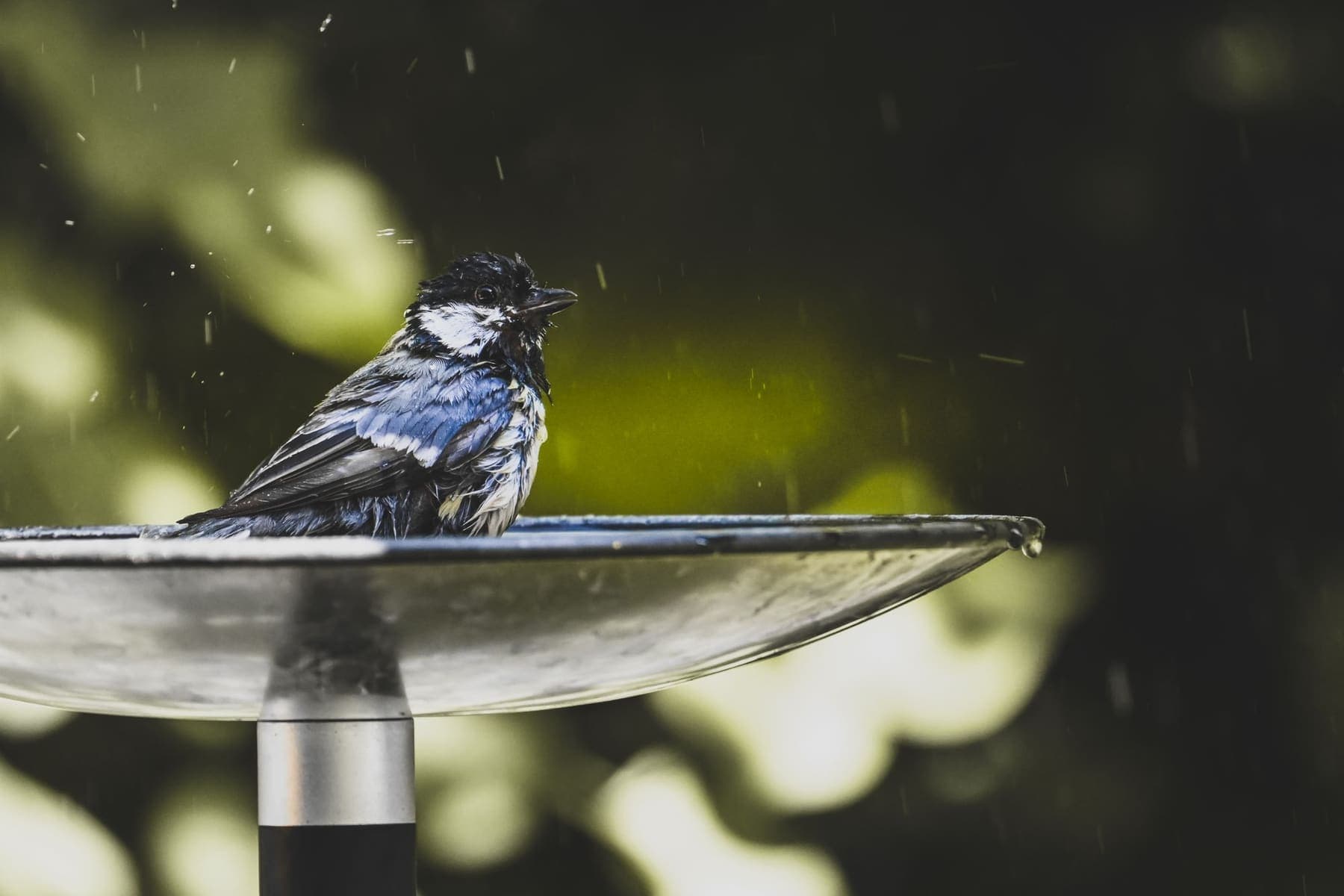
A shallow bird bath with a gently sloping edge lets birds drink and bathe safely. In winter, top up the water daily if you can and scrape away deposits; in frosty weather, simply replace the ice with water. Never add salt, alcohol or antifreeze.
This round terracotta bird bath from Esschert Design measures 37 cm across, with a water depth of around 4 cm and a sloping edge.
A garden that feeds, even without a feeder
The feeder is only a supplement. A welcoming garden feeds birds all year round: a hedge of native berry-bearing shrubs, flowers left to seed in autumn, a corner of dead leaves where insects spend the winter, and no pesticides. It's this kind of garden that will let parents find caterpillars for their chicks come spring.
Common mistakes
- Feeding all year round: in spring, chicks need insects, not fats.
- Stopping overnight in the middle of a cold snap: reduce gradually, once mild weather returns.
- Forgetting to clean: a dirty feeder can become a breeding ground for disease.
- Giving bread or leftovers: they harm birds' health.
- Leaving the net around suet balls: it traps feet.
- Placing the feeder near a dense bush: cats lie in wait there.
Take it further
To go beyond winter, read How to attract blue tits to your garden, which covers choosing and putting up a nest box, and Which nest box should I choose?. The guide Which nest box should I choose? brings the steps together, and the Birds section presents feeders, nest boxes and bird baths.
Sources
Frequently asked questions
When should you stop feeding birds?
In spring, once fine weather is settled in for good, generally from late March onwards. Reduce the amounts gradually over seven to ten days. By then, birds are feeding their chicks on insects, and fatty seed doesn't suit chicks.
Can you give bread to birds?
No. Bread is too salty and poorly digested, and causes digestive upsets. Offer black sunflower seed instead, a mix of sunflower, peanuts and cracked maize, meat-free suet, or unsalted peanuts in a mesh feeder.
How often should you clean a feeder?
Every week during the feeding season, as recommended by the LPO. Scrub it with a brush, water and Marseille soap or black soap, rinse, let dry, and pick up any seed that's fallen to the ground. This simple habit limits the spread of diseases such as salmonellosis or trichomonosis.